Being an avid traveller for many years – a lifestyle I kicked off by travelling South America solo when I was 17 – I’ve always wanted to explore Asia, but my life-threatening food allergies held me back for a while. I’m severely, anaphylactically allergic to peanuts and have serious allergies to sesame and other nuts as well, so it felt like a great risk considering they feature heavily in most traditional Asian cuisines. Nevertheless, I knew I had to do it someday and would regret it if I didn’t, so this year I decided to take the plunge, knowing that to prevent something going (potentially fatally) wrong, I had to be prepared.
Anaphylaxis – a short explainer
Anaphylaxisis the most severe type of allergic reaction, and can lead to death if not treated with hydro-cortisone within minutes or hours of a reaction occurring. After ingesting sometimes only a crumb-sized portion of the allergen (in my case, this would be peanut), the airways close, inflammation occurs throughout the body, hives can break out on the skin, blood pressure drops low and anxiety and/or panic is often induced along with the physical symptoms.
Most often, each anaphylactic reaction is more intense and serious than the previous as the body learns to react faster, meaning that if you have one – albeit several – you have to be very cautious to avoid another occurrence. Hydrocortisone is important as it reduces inflammation and prevents the widening of blood vessels in the body, stabilising blood pressure and quite literally saving your life if you are having a reaction. However, unlike adrenaline which is used as a first response measure, it’s not available in a pharmacy, so an ambulance and hospital is needed as soon as possible.
My experience with anaphylaxis
I had my third anaphylactic reaction while travelling alone in Ecuador several years ago, and I experienced a severe reaction, temporarily losing my vision when my blood pressure dropped extremely low. Having drunk less than a tea-spoon of clear soup with (unbeknownst to me) homemade crushed peanuts in it, while staying in a Creole area of north-east Ecuador (an ethnic group who traditionally cook with peanuts), I was lucky to have survived. After a lot of pain, I became unconscious while friends rushed to pharmacies to try to find the medicine I needed.
I was saved, however, by the local doctor who happened to pass by me in his car as I lay on the floor struggling to breathe on his way home. He drove me to the nearest hospital, breaking all speed limits as a life-saving necessity, and I came to with oxygen and a drip feeling grateful I’d got there in time to avoid long-term consequences.
It’s estimated that “8% of children and 2% of adults in the UK are currently living with some form of food allergy”, and yet, when I started to research tips and advice for travelling with food allergies in Asia, I came across almost nothing online. I was surprised at the lack of help out there, and can only put this down to allergies being a relatively modern phenomena, or perhaps most people are braver than I am, or they simply don’t take the risk when the allergy is life-threatening.
Having now successfully traversed the Asian continent from Indonesia to Vietnam to Sri Lanka and back home again (and woo-hoo I survived), I’m writing this to share my own tips in the hope that they help someone like me to travel confidently – or inform others who are curious.
The surprising truth I learnt about local vs Western eateries
My experience travelling across Asia, alone, with life-threatening allergies was actually much better than I had feared, but I also learnt something surprising. Most advice I had heard was to eat at Western places, where allergies are bound to be a known phenomenon, as opposed to local food spots, where allergies may be unheard of- and yet I discovered quite the opposite is true when it comes to food safety.
Once presented with an allergy card in the local language, I found local people to be incredibly respectful and understanding of my allergies. On the other hand, the two occasions I tried Westernised restaurants were the worst for me allergy-wise, as I was given sesame on both occasions, inducing a (relatively minor) reaction that nevertheless made me tired for days.
Here’s why I think this is – local places are most-often run by the chefs themselves, cooking traditional recipes for which they know every single ingredient off by heart and backwards. They know exactly what they are cooking, and if communicated clearly, they can tell you exactly whether or not they themselves put an allergen into the food. Westernised places, on the other hand, and more often run by locals themselves cooking unfamiliar recipes, and therefore they aren’t familiar with the ingredients and what’s in the sauces.
My advice is to stick to local food spots, but it’s still vital to communicate as clearly as you possibly can, and this brings me to my next point.
Allergy cards
As mentioned above, the most important piece of advice I can personally give is to print out allergy cards and use them on all occasions. Ensure you have translations in the local language of anywhere you plan to travel, and request these to be given directly to the chef. This removes any element of miscommunication that could happen, and worked so successfully for me (I’m yet to experience a single reaction using this method) that I’ve started using them while at home in the UK as well.
Here’s an example of an allergy card I printed out, laminated and brought with me on my trip:
Translation: I am allergic to nuts, sesame, and peanuts. I will die if I eat peanuts / groundnuts. Please do not give me anything with peanuts, peanut oil, nuts, sesame or sesame oil. Thank you.
More general advice
Before I travel anywhere, I learn the phrase “I am allergic to…” in the local language, then I learn my specific allergens in that language as well, so I can identify those words on any menu. It’s not much of a hassle to learn these phrases and words, and really does increase the sense of safety and control when in an unfamiliar environment.
In Indonesia, I recommend not to eat sauces at all, as many contain peanuts, and stay away from the dish ‘Gado Gado’ (peanuts and salad). Restaurants in Vietnam tend to either cook in peanut oil or they don’t – there’s no inbetween, so find this out initially and avoid those that use it.
It goes without saying that you shouldn’t eat out without an epipen, and I would also recommend not eating at all on an aeroplane if you have anaphylaxis, unless it’s food you’ve brought yourself or something as simple as fruits and vegetables (it’s not worth the risk in my opinion). I flew back from China with Beijing Airlines, and they don’t have any allergy policies at all, so I chose not to eat for 21 hours as opposed to risking a reaction while in the air. It wasn’t comfortable, and next time I’d choose an airline with better policies, but it reminded me to always arrive at the airport prepared with home-made snacks and safe food in future.
Opportunities to travel safely with WorkingAbroad
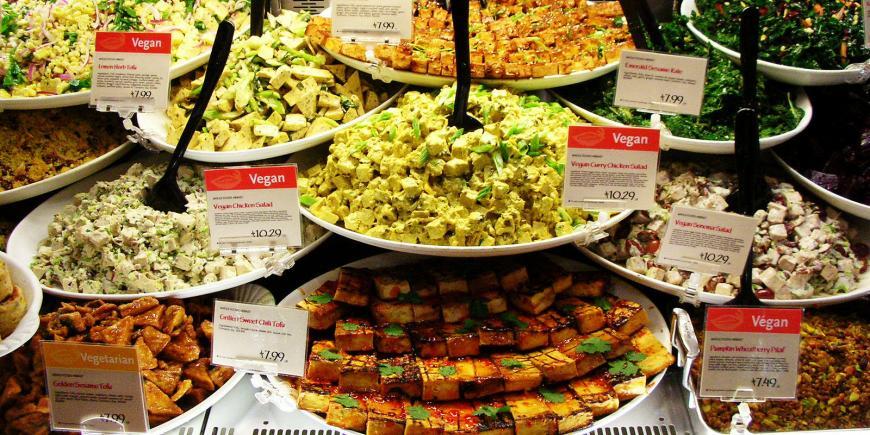
WorkingAbroad has great opportunities to travel and work abroad, where you can try out local cuisines and food spots that aren’t anything like those you might experience back home. Asia has amazing cuisine options, from fresh tofu and salads in Vietnam to the colourful and delicious spices of India.



 Anaphylaxis – a short explainer
  The surprising truth I learnt about local vs Western eateries
 Opportunities to travel safely with WorkingAbroad