The Top 5 Big Cat Conservation Volunteer Projects in the World
November 22nd 2025
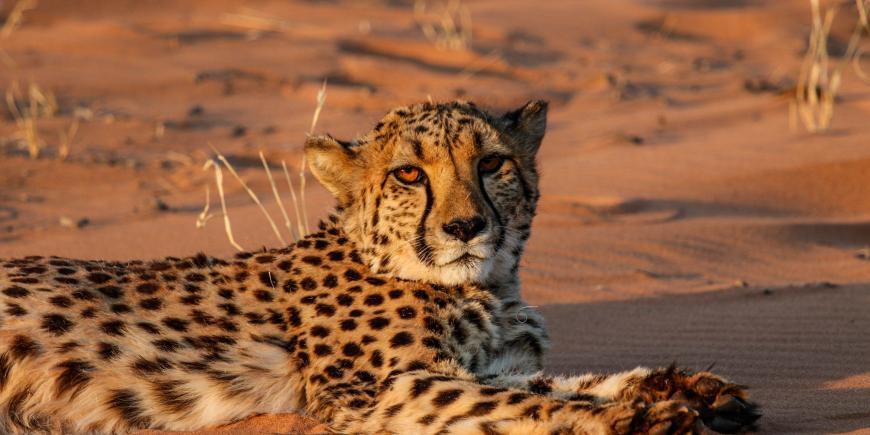
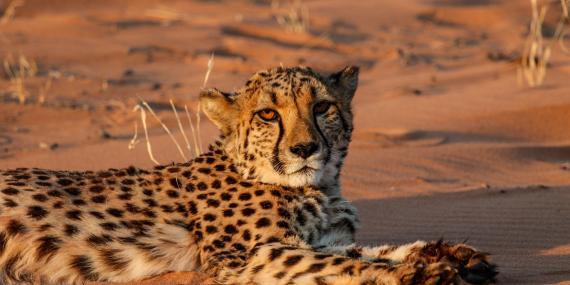
Efforts to protect big cats in the wild remain an ongoing and urgent battle. Conservationists around the world work tirelessly to safeguard lions, leopards, cheetahs, jaguars and other wild felids, species now facing unprecedented threats. Without sustained, ethical conservation action, many big cat populations could disappear within decades.
For example, African lions are currently listed as Vulnerable, with the West African lion now Critically Endangered, and fewer than 400 individuals left in the wild. Habitat loss, human–wildlife conflict, poaching and climate change are intensifying pressures on these apex predators.
Volunteering with reputable conservation organisations is one of the most meaningful and impactful ways individuals can support big cat conservation in 2026.
Below are five of the best ethical big cat conservation volunteer programmes, hand-selected and vetted by WorkingAbroad.
🚫 Canned Hunting: The Dark Reality Behind Lion Cub “Sanctuaries”
In South Africa, many so-called lion cub “sanctuaries” market themselves as ethical havens, offering volunteers the chance to bottle-feed or hand-rear “orphaned” cubs. In reality, hand-reared lions can never be released into the wild, and most of these cubs are not orphans at all.
South Africa has 300+ legal lion farms, where cubs are bred for exploitation. Their fate follows a devastating cycle:
Cub petting for tourist revenue
Walking with lions as juveniles
Canned hunts as adults
Bone trade exports for traditional medicine
There are now three times more canned lions than wild lions in South Africa.
Volunteer programmes that allow hands-on interaction with lion cubs are almost always part of this exploitative pipeline, charging unsuspecting volunteers thousands to unintentionally support the industry they believe they are fighting.
WorkingAbroad does not partner with any project that allows cub petting, breeding for captivity, or participation in commercial wildlife exploitation.
✔️ How to Choose an Ethical Big Cat Conservation Volunteer Programme
WorkingAbroad ensures:
Full transparency from partner organisations
No captive breeding or hands-on predator interaction
Shamwari Game Reserve is a leading conservation initiative working to restore ecological balance across predator and herbivore populations, supporting lions, leopards, elephants and rhinos. Volunteers take part in telemetry tracking, ecological research, wildlife rehabilitation, and studies on lesser-known species such as the brown hyena.
You’ll also have the chance to volunteer at the Born Free Foundation Big Cat Sanctuary, learning about big cat welfare and captive wildlife protection.
“Even though I have been here for two months, the weekly routine has varied enough to make each day a little different and interesting.” — Ben
This project directly tackles the consequences of canned hunting by providing a permanent, safe home for captive-bred big cats who cannot return to the wild. The sanctuary advocates against cub petting, exposes unethical practices, and works toward becoming South Africa’s first solar-powered big cat sanctuary.
Volunteers assist with enrichment, food preparation, enclosure maintenance, and educational outreach, all without physical contact with predators.
“You can genuinely see the happiness radiating from the animals… the treatment of the cats is unlike anything I’ve ever seen.” — Celine
This award-winning initiative combines wildlife rescue with large carnivore research. Volunteers work at the Sanctuary caring for injured, orphaned or displaced wildlife (with strict no-contact policies for predators), and at the TimBila research site tracking lions, leopards and spotted hyena.
Volunteers may also support community engagement with the San Bushmen, learning about traditional ecological knowledge and human–wildlife coexistence.
“Each day I did something different… Getting involved in the research behind human–wildlife conflict was incredible.” — Sarah
Big cat conservation in the Amazon is both challenging and essential. This project protects jaguars, pumas and ocelots through biodiversity monitoring, habitat restoration, and wildlife rehabilitation.
Interns choose between the Amazon Ecology or Wildlife Rehabilitation programme, working alongside biologists and conservation specialists in one of the world’s most biodiverse ecosystems.
“The technical skills I gained were invaluable… I felt like I had my own little jungle family by the time I left.” — Kiara
Based on a 4,700-hectare reserve in north-western South Africa, this programme focuses on research and management of 50+ species of large mammal, including caracal, serval, brown hyena and leopard.
Volunteers assist with camera trapping, anti-poaching patrols, transects, ecological surveys and student support for academic research, ideal for aspiring conservation scientists.
“This programme has been one of the best things I have ever done… It showed me that conservation was what I wanted to spend my life working on.” — Anna
Conservation Needs Big Voices, And Big Hearts
Big cats are icons of the natural world – powerful, intelligent and deeply woven into the ecological fabric of their landscapes. Volunteering offers a practical and inspiring way to support their future while gaining hands-on conservation experience.
If you’d like help choosing the right big cat conservation project for 2026, WorkingAbroad is here to guide you through every step.