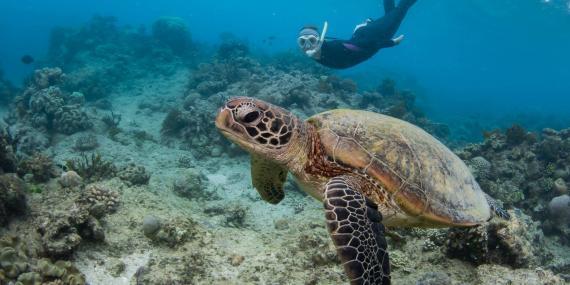
At WorkingAbroad, we are committed to supporting ethical, long-term, science-based sea turtle conservation. Below are what we believe to be the world’s best sea turtle volunteer projects, all vetted for responsible practices with no harmful wildlife handling.
Sea turtles have captivated coastal societies for millennia. These ancient mariners, with a lineage stretching back more than 100 million years, play a vital role in ocean ecosystems. Yet today, six of the seven sea turtle species are endangered, facing threats from destructive fishing practices, pollution, coastal development, poaching, and the accelerating impacts of climate change on nesting beaches and ocean temperatures.
Whether you want to patrol nesting beaches, support hatchling releases, or help protect marine ecosystems, these volunteer programmes offer genuine impact and unforgettable experiences.
What: Volunteers help study nesting sea turtles and take part in a wide range of conservation activities, including crocodile monitoring, tree boa research, mammal surveys, environmental education, and butterfly garden projects.
Where: Playa Tortuga is located in a tropical rainforest reserve on Costa Rica’s Pacific coast, home to pristine beaches, coral reefs and mangrove forests.
Volunteer Feedback: Rated 4.9/5 stars. Sean Hiddleston (UK) said:
“I had an incredible time in Costa Rica… watching the first hatchlings of the year reach the ocean was unforgettable.”
What: This project protects nesting turtles along Kenya’s Indian Ocean coastline, rehabilitates injured turtles, and runs community outreach programmes to reduce threats like plastic pollution and poaching.
Where: Watamu is part of a UNESCO Biosphere Reserve – a coastline of coral reefs, turtle nesting beaches and exceptional marine biodiversity.
Volunteer Feedback: Rated 5/5 stars. Sofia Gothlin (Sweden) said:
“My time in Watamu was incredible… I’ll definitely return to work with them again.”
What: Volunteers help protect endangered sea turtles by monitoring nesting beaches, conducting harbour surveys, performing tagging and health checks, and supporting public awareness campaigns.
Where: The project is based on the beautiful island of Kefalonia, known for its clear waters, marine biodiversity and stunning scenery.
What: Volunteers support local conservation teams with turtle nest monitoring, sustainable agriculture, giant tortoise care, environmental education and ecotourism projects.
Where: Isabela Island in the Galápagos – one of the world’s most biologically unique archipelagos.
Volunteer Feedback: Rated 5/5 stars. Liz & Alex (UK) said:
“Every minute was incredible… the ‘office’ was a beach full of iguanas!”
What: This programme protects and rehabilitates endangered sea turtles, restores coral reefs, and conducts marine life surveys through hands-on fieldwork and community engagement. Medical volunteering is also available separately.
Where: Naifaru Island in the northern Maldives – a tropical paradise with turquoise waters and rich marine life.
What: Volunteers protect Olive ridley, Green and Hawksbill turtles through night patrols, nest protection, hatchery management, and hatchling releases.
Where: The Osa Peninsula, home to Corcovado National Park, described by National Geographic as “the most biologically intense place on Earth”.
“The project was professional, impactful and inspiring… I learned so much.”
Why Volunteer for Sea Turtle Conservation?
You directly protect species facing global threats
You contribute to long-term research used by conservationists worldwide
You support coastal communities working to safeguard marine ecosystems
You gain hands-on skills in wildlife monitoring, marine science and environmental education
Sea turtle conservation volunteering is incredibly significant, offering a chance to grow, learn and connect with the natural world in extraordinary ways.
If you feel inspired to help protect these ancient mariners, explore these projects further on the WorkingAbroad website. Our volunteers consistently tell us that their time supporting sea turtle conservation was life-changing – and often the start of a deeper journey into marine and wildlife conservation.



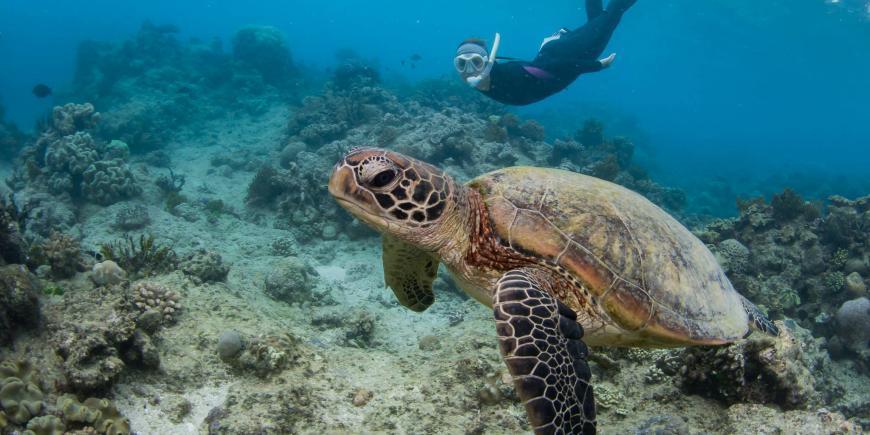
 At WorkingAbroad, we are committed to supporting ethical, long-term, science-based sea turtle conservation. Below are what we believe to be the world’s best sea turtle volunteer projects, all vetted for responsible practices with no harmful wildlife handling.
 What: Volunteers help study nesting sea turtles and take part in a wide range of conservation activities, including crocodile monitoring, tree boa research, mammal surveys, environmental education, and butterfly garden projects.
 What: This project protects nesting turtles along Kenya’s Indian Ocean coastline, rehabilitates injured turtles, and runs community outreach programmes to reduce threats like plastic pollution and poaching.
 What: Volunteers support Leatherback sea turtle conservation, including night patrols, nest monitoring, community education and anti-poaching efforts.
 What: Volunteers help protect endangered sea turtles by monitoring nesting beaches, conducting harbour surveys, performing tagging and health checks, and supporting public awareness campaigns.
 What: Volunteers support local conservation teams with turtle nest monitoring, sustainable agriculture, giant tortoise care, environmental education and ecotourism projects.
 What: This programme protects and rehabilitates endangered sea turtles, restores coral reefs, and conducts marine life surveys through hands-on fieldwork and community engagement. Medical volunteering is also available separately.
 What: Volunteers protect Olive ridley, Green and Hawksbill turtles through night patrols, nest protection, hatchery management, and hatchling releases.