How Ethical Volunteering Abroad Fuels Lasting Change
August 10th 2025
On our website, we have previously covered in detail how we ensure that the projects we offer are ethical. In this post, we’ll dive into why that matters — and explore the long-term impact ethical volunteering can have.
However, first, let’s ensure we’re on the same page regarding what constitutes unethical volunteering. Unethical volunteering projects come in many forms. At their worst, they exploit both animals and volunteers, disregarding welfare and focusing solely on profit. Sometimes they are even perpetuating the very problems they claim to solve to stay ‘in business’. In milder cases, such projects serve more as entertainment for volunteers than meaningful interventions. They may leave little to no lasting impact. That’s neither on the communities nor on the ecosystems they claim to serve, nor on the volunteers themselves.
So what does lasting change look like?
First and foremost, we’re talking about long-term improvements in the issue a project is trying to address.
For example, our medical volunteering programme in Nepal strengthens rural health systems by supporting local staff, helping improve long-term access to basic care and health education in underserved communities. At the elephant sanctuary in Cambodia, volunteers contribute to the ongoing rehabilitation of rescued elephants. This helps sustain a long-term ethical alternative to exploitative tourism. And in Portugal, volunteers on the dolphin and whale research project support the collection of long-term marine data. This directly informs conservation policy and helps protect vulnerable species.
These are types of lasting impact. Be that through healthier communities, safer habitats, or stronger environmental protections. But they are only possible when projects have consistent volunteer support. This reliability enables projects to plan ahead, engage the experts they need, form long-term partnerships with scientific institutions, and fulfil obligations like regular data collection.
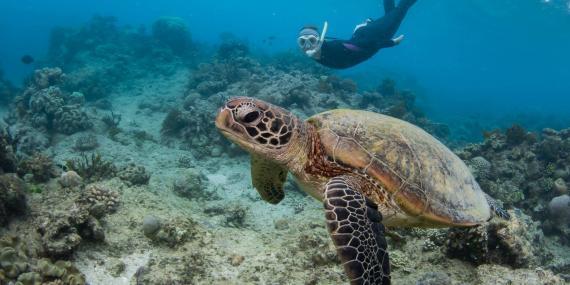
It also makes it possible to conduct longer studies. This is vital for understanding animal behaviour, biodiversity trends, climate impacts, or the effectiveness of social initiatives. A consistent presence on the ground also supports the long-term protection of wildlife. For instance, providing a safe, undisturbed beach for sea turtles to return to year after year.
Secondly, ethical volunteering brings lasting benefits to local communities.
Unlike exploitative models that position volunteers as “saviours,” ethical projects prioritise partnerships. Activities are co-designed with community members, drawing on indigenous knowledge and lived experience. This collaborative approach ensures that efforts aren’t just well-intentioned but are rather rooted in reality and tailored to the true causes of the issues being addressed. This kind of respectful engagement creates the foundation for long-term resilience.
Volunteers often support communities in developing sustainable income alternatives — like eco-tourism, artisanal crafts, or regenerative farming — which offer economic stability without degrading local ecosystems. These ventures aren’t just short-term fixes; they become new pathways for livelihood that are ethical and in tune with nature.
Ethical volunteering also helps cultivate a new generation of changemakers. The presence of international volunteers (not as tourists that don’t engage with the local issues but as active collaborators) can inspire local young people to see the value of their heritage, to feel pride in their culture, and to see themselves as part of a larger global movement. This boosts social cohesion, nurtures local leadership, and encourages youth to get involved in civic life, education, or environmental advocacy. The long-term result? Communities become more more capable of leading their own sustainable futures. Rather than relying on intermittent aid, they build capacity from within — and that’s the kind of change that truly lasts.
And finally, ethical volunteering can be a transformative experience.
For the person volunteering (that could be you!), ethical volunteering can change perspectives on life.
Working on an ethical project can foster a deep emotional connection to the natural world and a renewed determination to protect it. After a trip, many volunteers begin to notice new ways to take action. This can often start small. Perhaps by cutting waste, buying second-hand, or reducing air travel. But that’s often just the beginning.
Ethical volunteering tends to attract people with curious minds and a desire to give back. So it’s no surprise that volunteers often find themselves surrounded by like-minded people, many of whom are already supporting causes or volunteering at home. These connections fuel momentum. A volunteer who once just recycled and brought a reusable bag might return home eager to join local NGOs, get involved in community projects, or advocate for policy change.
Some volunteers are even inspired to start their own initiatives. They bring back practical experience from the field, a deeper understanding of how non-profits operate, and a renewed sense of purpose. Even if that feels like too big of a leap, most people come home with a more nuanced understanding of the root causes of environmental degradation, inequality, or habitat loss.
That awareness alone often sparks a shift in behaviour — toward more conscious travel, ethical consumption, and community involvement.
Some are inspired to share their insights more publicly. This might be through blogs, vlogs, or social media, helping raise awareness and amplify ethical perspectives. This ripple effect can create greater demand for sustainable products, responsible tourism, and grassroots solutions. And, importantly, it encourages others to volunteer too — increasing the long-term sustainability and reach of the projects.
Ethical volunteering is a unique opportunity to combine travel, learning, and meaningful contribution. Its impact goes far beyond simply supporting the local economy. It fuels lasting change, for biodiversity, for scientific understanding, for local communities, and, perhaps most profoundly, for the individuals who volunteer. Because when you change someone’s perspective, they start changing the world around them too.
Written by WorkingAbroad Blogger Yustiniya Khokhlova



 So what does lasting change look like?
 And finally, ethical volunteering can be a transformative experience.