Beyond the Classroom – Group Volunteering Trips for Schools and Universities
August 20th 2025
When it comes to educational travel, group volunteering trips have emerged as an exciting and impactful option for schools and universities. Instead of a typical class trip spent just sightseeing, more teachers and students are choosing to travel abroad together to volunteer, whether it’s a high school group spending two weeks helping old elephants at an ethical sanctuary in Thailand, or a university group travelling to Costa Rica to aid a reforestation project. These experiences take learning beyond the classroom and into the real world, offering students profound lessons in teamwork, leadership, and global citizenship.
School group educational tours are on the rise, particularly those focused on social and environmental projects.
Volunteering as a group – be it a group of friends, an entire class, or a university society – has seen a notable rise in recent years. According to industry observers, school group educational tours are on the rise, particularly those focused on social and environmental projects. Educators have found that service trips abroad fulfil multiple objectives: they enrich students’ understanding of global issues, foster personal growth, and also meet educational goals (like language practice or service-learning requirements). From Europe to North America and Australia, more schools are incorporating overseas volunteering into their programmes as a form of experiential education.
Why Group Volunteering is Beneficial for Students (and Teachers)
Volunteering abroad as a group offers unique benefits that individual travel can’t always provide. Here are a few key advantages:
Stronger Team Bonds: Nothing builds camaraderie like working together on a meaningful project in unfamiliar surroundings. Students who volunteer abroad as a team learn to rely on each other and collaborate closely – whether they’re mixing cement side by side for a community centre or strategising how to teach English to local kids. These shared challenges and triumphs create lasting friendships and a strong team spirit. Teachers often report that a two-week volunteer trip accomplishes more for team-building than a year of classroom projects. (This benefit isn’t just for student groups – even companies find that volunteering as a group builds stronger teams and character, as noted in volunteering research.)
Deep Learning Beyond the Classroom: Group volunteering trips are immersive educational experiences. Students don’t just learn facts from a textbook – they engage all their senses and emotions in real-world learning. For example, a biology class volunteering on a rainforest restoration project in Peru will directly see biodiversity and conservation challenges, bringing theory to life. A group of social science students helping with a community development project in India will gain first-hand insight into development economics and cultural nuances. These experiences cultivate empathy, critical thinking, and global awareness in ways traditional classes can’t. According to NAFSA’s “Shared Futures: Global Learning and Social Responsibility”, global learning helps students “Gain a deep, comparative knowledge of the world’s peoples and problems”.
Motivation and Personal Growth: Travelling abroad, often far from home, can be challenging for young people, but doing it with classmates or peers provides a support network. Under the guidance of teachers or group leaders, students often feel safe to step outside their comfort zones. They take on leadership roles within the group, discover hidden talents, and gain confidence. Teachers have a chance to see their students shine in new settings, and students often discover more initiative and resilience in themselves than they knew they had. This can translate to better performance and maturity back at school.
Community Impact multiplied: When a group of 10, 15, or 20 volunteers arrives together, they can accomplish a lot in a short time. Group projects can tackle larger tasks, like constructing housing units or running a full children’s learning camp, making a bigger impact on the host organisation. It’s incredibly rewarding for students to see tangible results from their collective effort (like a finished building or a week-long workshop completed), reinforcing the value of teamwork and service. Millions of people volunteer abroad every year, and that includes many school and college groups whose efforts contribute significantly to local projects.
Organising a Successful School/University Volunteer Trip
Planning a group volunteer abroad trip does require careful coordination, but many organisations specialise in facilitating these experiences. WorkingAbroad, for instance, has dedicated support for group volunteering – whether you’re a school, university, or even a business team, they will help tailor a project that fits your group’s size, skills, and goals. To ensure a smooth and meaningful group trip, consider these practical tips:
Align on Goals: Early on, involve teachers, students, and parents (for school groups) in setting the objectives of the trip. Is it primarily service-oriented, tied to a curriculum (e.g. a medical brigade for pre-med students), or a cultural immersion with a volunteer component? Agreeing on the mission will guide all other decisions. For example, a university might set a goal like “apply engineering skills to improve infrastructure in a rural community”, whereas a high school might aim for “broadening global awareness and fulfilling service hours”.
Choose the Right Project and Partner: Research credible volunteer organisations that have experience with groups. Look for projects that genuinely need a group’s help (nobody wants to send 15 students to do work that isn’t useful!). Ethical considerations are key – ensure the project is community-requested and sustainable. For instance, WorkingAbroad and similar non-profits emphasise sustainable community development and will not place groups in exploitative or ineffective programmes. Unfortunately, not all organisations make this a priority. Also consider language and skill requirements – some groups opt for labour-intensive projects (like building or environmental work) if there’s a language barrier, while others, especially older students, might assist in teaching or workshops if they have the necessary skills.
Plan Logistics Thoroughly: Group travel magnifies the logistics – flights, accommodations, meals, local transport, safety – so working with organisations that handle in-country arrangements is a huge plus. Typically, volunteer providers will arrange safe lodging (perhaps a volunteer house or homestays vetted for groups), organise airport pickups, and have staff on the ground to orient and guide the group. Ensure you have all details on costs per student, what’s included, and contingency plans for emergencies. For school groups, getting the necessary approvals from the school board or administration is important too (often, these trips are school-sanctioned initiatives).
Prepare the Team: A well-prepared group is set up for success. Hold pre-trip training sessions where students learn about the host country’s culture, basic language phrases, health and safety, and details of the project work. This is also a great time for team bonding – perhaps doing some fundraising together or dividing into committees (like logistics, cultural research, fundraising team). Such preparation builds commitment. Teachers or group leaders should set expectations around behaviour, schedules, and roles. When everyone knows what to expect, the trip will run more smoothly, and everyone can focus on the experience.
Reflect and Leverage the Experience: During and after the trip, encourage reflection. Many educators use group discussions or journals so students can process what they’re learning and feeling. This turns the trip into a true service-learning experience, linking it back to educational outcomes. After returning, consider how students can share their experiences – maybe a presentation to the school, a blog post, or an exhibition of photos and stories. This not only helps students solidify their learning, but it also inspires others in the community. It could even attract media attention or recognition for your school/university, highlighting your commitment to global citizenship. Consider building long-term relationships with the organisers and projects, because impact is always greater when groups return year-on-year.
The Unique Case of Corporate and Alumni Groups
While schools and universities make up a large portion of group volunteers abroad, it’s worth noting that corporate groups and even alumni or community groups also take part in these kinds of trips. For businesses, sending employees to volunteer abroad can be a powerful team-building and CSR (Corporate Social Responsibility) activity – so powerful that one WorkingAbroad article notes it “supports employee engagement and helps attract future talent” when companies organise volunteering programmes. Universities sometimes involve alumni or faculty-led groups for special projects as well. The common thread is that group volunteering – no matter the age or affiliation – creates shared value: stronger group relationships and positive change for the host community.
So, group volunteering trips for students turn education into action. They exemplify the idea that “travelling to help others” can teach lifelong lessons in empathy, leadership, and teamwork. Students come home not only having helped a community, but also with a new perspective on their studies and their place in the world. For schools and universities aiming to produce well-rounded, socially conscious graduates, facilitating such experiences is incredibly worthwhile. As one volunteering leader pointed out, “experiential education, specifically volunteering, has great potential to positively impact both host communities and students” – a win-win that more educational institutions are eager to embrace.



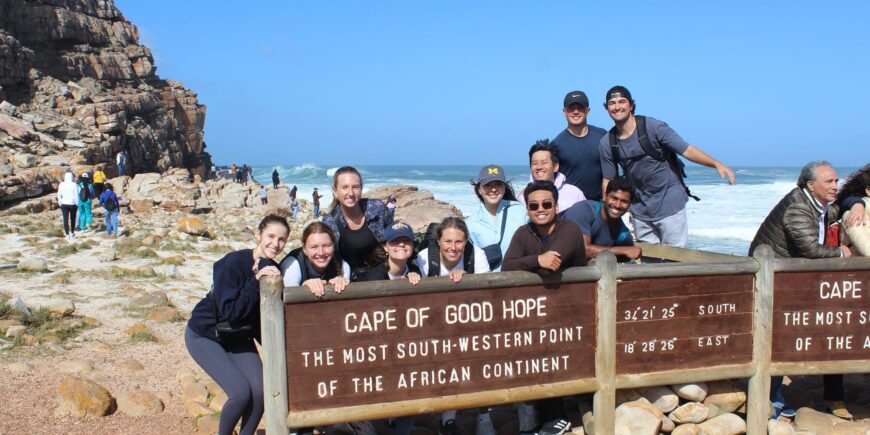
 When it comes to educational travel, group volunteering trips have emerged as an exciting and impactful option for schools and universities. Instead of a typical class trip spent just sightseeing, more teachers and students are choosing to travel abroad together to volunteer, whether it’s a high school group spending two weeks helping old elephants at an