Ethical Wildlife Tourism: What Should you Watch out For?
July 20th 2024
Ethical and ecotourism is a rapidly growing travel trend that is expected to double in market size by 2028 (Statista.com): however, unethical practices still exist and it’s important to be vigilant when you travel to make sure you are not encouraging activities that harm animals or the environment.
Why is it important to make sure the wildlife experiences you support as a tourist are ethical?
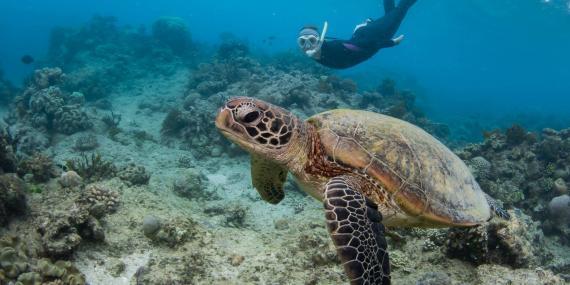
The main challenge with experiences that many tourists enjoy on holiday: like riding donkeys or camels, boat rides for whale watching or visiting turtles, is that they don’t put the interests of the animal first. This could mean the animal is made to interact with humans too closely or for too long, that the activities disrupt or harm the environment the animal relies on or simply that the animal is not kept in conditions that offer it the best welfare.
However, if you engage with ethical operators while you are travelling, it’s possible to support the protection of wildlife and encourage best practice. If you book an animal or nature encounter with a reputable company, it helps to create less demand for those operators not behaving ethically – and can help to encourage higher ethical standards for all.
Red flags to avoid when considering a wildlife experience:
What our for situations where animals are incentivised by food to encourage them to a specific area, or to get closer to humans – for example, when fisherman feed whale sharks (as can happen in the Philippines) to encourage them to an area tourists can swim with them
Anything that encourages visitors to touch animals should be avoided, for example riding on elephants in Thailand. This puts both you and the animal in danger of disease and distress (wild animals can and will bite!)
Look out for animals being kept in poor conditions in captivity or obviously injured, in pain or exploited: for example, young animals separated from parents too soon
Watch out for tour operators who do not treat the environment or the animals with respect: for example, consider how the firm deals with rubbish and recycling – reputable companies will make sure their impact on their local environment is minimal, and encourage you to collect any litter you see
Tips to help ensure a positive experience for you and the local wildlife:
Do your research before you travel, choose operators that contribute to conservation and animal welfare
Avoid anything where animals are encouraged to ‘perform’ or pose for photographs
If you are travelling to observe animals up close, visit reputable sanctuaries, who optimise the animals’ well-being and contribute to conservation efforts
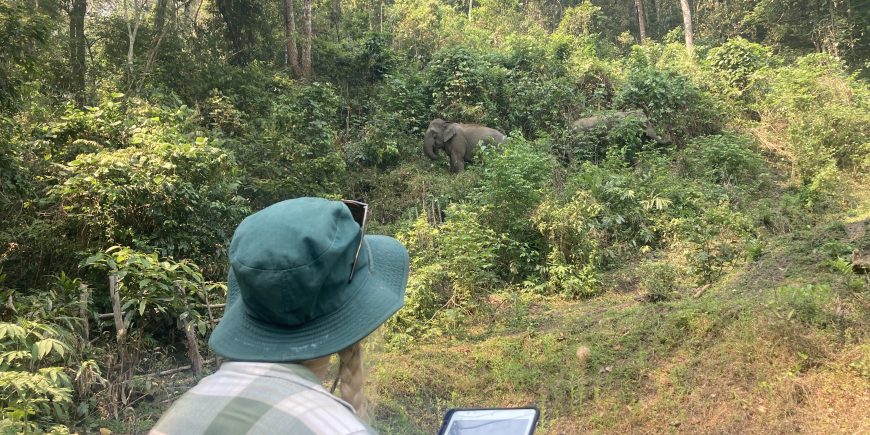
When encountering animals in the wild, maintain a safe and respectful distance: use camera ‘zoom’ features to capture images if you are keen on nature photography
Follow local regulations and use licensed tour operators: ask for evidence of ethical guidelines that the company follows before you travel
Respect the environment you’re in: avoid walking on fragile habitats, disturbing nesting sites, or leaving rubbish behind
Other tips for responsible travel include:
Learn local phrases and travel with respect for the local culture in mind
Research local guides or conservation projects you can visit on your trip to support local communities
Avoid food waste: opt for self catering over food buffet options
Look for accommodation that uses renewable energy
When you return home, advocate for the places you enjoyed via online reviews or social media, to encourage other responsible tourists to visit
How can I enjoy nature safely?
Unethical tourism practices exist because they have made money and been unchallenged for many years.
In 2017, a study carried out by World Animal Protection (WAP) across Asia revealed a rise in elephants captured from the wild and kept for entertainment.
WAP researchers assessed almost 3,000 elephants and found that more than three quarters were living in “severely cruel” conditions. Many were bound with chains less than 3m long and were forced to stand on concrete floors close to loud roads, crowds and music.
Inspired to volunteer and get involved?
A great way to have closer wildlife encounters, or simply learn more about a species, is volunteering. You can make a hugely positive impact through international volunteering, internships and meaningful travel experiences.
At WorkingAbroad, we take action for nature and society seriously, and since we were founded have made a firm commitment to the ethical treatment of animals. The majority of volunteers choose to join our programmes because of our ethical stance.
We’ve covered why experiences like elephant rides are unethical in more detail elsewhere on our blog: but that doesn’t mean you can’t visit or interact with animals when you’re travelling. For example, our Thailand Volunteer Project gives travellers the opportunity to work with rescued and retired elephants, and our programme works with the local community, providing employment opportunities and education and support for local people, as well as growing crops to support sustainable living with seasonal vegetables.
We also run projects in Cambodia, where the local eco tourism project is based in a beautiful sanctuary surrounded by forest and local farms. The site has been developed in partnership with local indigenous communities and is visited by regular tourists, as well as volunteers, throughout the year. Visitors are able to observe and learn about the elephants from a safe and respectful distance: no riding, swimming, bathing or feeding of elephants takes place.
WorkingAbroad is Striving to be the Number 1 Ethical Volunteering Option
Since we were founded in 1997, WorkingAbroad all our programmes have been committed to the ethical treatment of animals: so we are very aware of the fine balance between the benefits and challenges of travel.
We’re striving to be the world’s #1 organisation for ethical and responsible volunteer and internship opportunities abroad.
WorkingAbroad has partnered with international NGO’s at the forefront of ecosystem conservation, wildlife research, biodiversity conservation, environmental education, and sustainable community development. With projects throughout Africa, Latin America, Asia, Europe and North America, we offer meaningful and ethical opportunities to volunteers who want to make a genuine and measured difference across the world at a local level. We place immense importance on the quality of the organisations with whom we partner. Our founders personally vet every programme partner to ensure they are registered and experienced operators with competent and dedicated staff to ensure volunteer care and safety.
The majority of volunteers choose to join our programmes because of our ethical stance:
“I was aware this was part of your policy and it helped give me confidence that the projects you offered were ones I would feel comfortable participating in “…. “All sea turtle programs were ethically correct”…. “It was definitely the main reason I chose to join WorkingAbroad”



 However, if you engage with ethical operators while you are travelling, it’s possible to support the protection of wildlife and encourage best practice. If you book an animal or nature encounter with a reputable company, it helps to create less demand for those operators not behaving ethically – and can help to encourage higher ethical standards for all.
 Inspired to volunteer and get involved?
 We’re striving to be the world’s #1 organisation for ethical and responsible volunteer and internship opportunities abroad.