Ethical Wildlife Volunteering: How to Volunteer Abroad Responsibly
June 2nd 2025
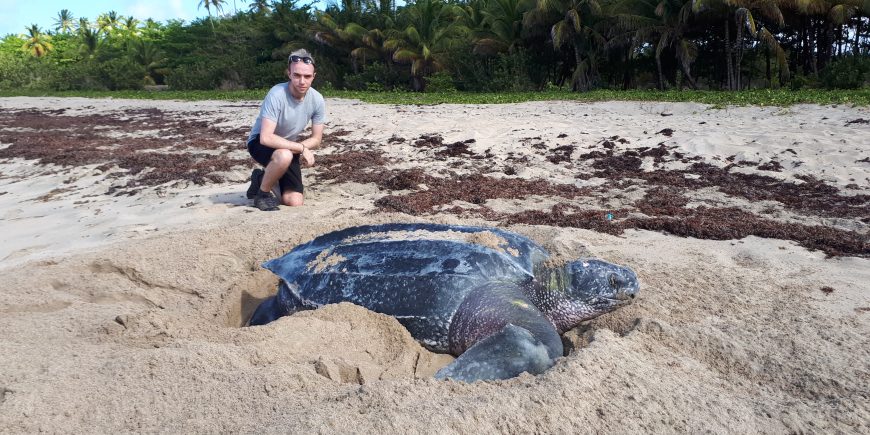
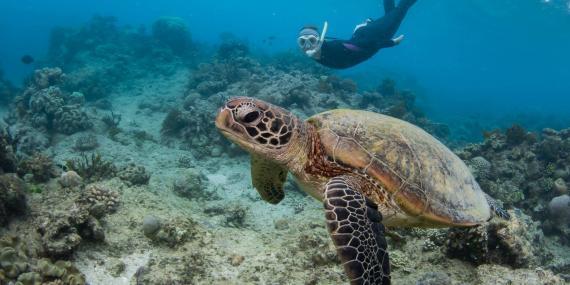
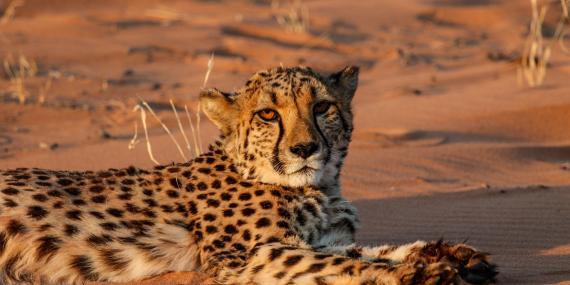
The interest in volunteering with animals abroad has never been stronger. We see how passionate people are about conserving elephants in Thailand, rescuing turtles in Costa Rica, and rehabilitating wildlife in South Africa. Opportunities to volunteer with animals can be life-changing for the animals and the people involved. However, not all wildlife volunteering is ethical. And we want to ensure that volunteers are aware, make informed decisions, and that their efforts truly benefit the animals they wish to help.
What Ethical Wildlife Volunteering Means
Ethical wildlife volunteering fundamentally means placing animal welfare and genuine applied conservation at the core. Sadly, not all volunteer programmes share this priority. Some projects exploit wildlife for tourist entertainment or profit, masquerading as conservation while causing lasting harm.
WorkingAbroad strongly advocates for ethical volunteering and ensures every project meets strict animal welfare and conservation standards.
Common Ethical Issues in Animal Volunteering
When choosing a wildlife volunteer programme, look out for these common ethical red flags:
1. Animal Interaction for Entertainment:
Activities like lion cub petting, elephant rides, or selfie opportunities with predators might seem appealing, but these are major ethical concerns. Animals involved are often mistreated, drugged, or trained cruelly.
The Born Free Foundation highlights that such practices often lead animals into tragic futures, like canned hunting or lifelong captivity.
2. Captive Breeding and “Orphan” Animal Scams:
Volunteers are sometimes misled into believing they’re caring for orphaned animals destined for release. In reality, these animals are bred deliberately and never return to the wild.
Four Paws notes how habituated lions from cub petting facilities in South Africa frequently end up in canned hunting operations.
3. Profit Over Welfare:
Unethical projects prioritise profits, not conservation. If a programme emphasises entertainment and photo opportunities over genuine animal care, it’s likely exploiting volunteers and animals alike.
Ethical sanctuaries never force animals into stressful interactions purely for tourist revenue.
How WorkingAbroad Ensures Ethical Standards
WorkingAbroad is committed to ethical wildlife volunteering, distinguishing itself through:
Strict Vetting Procedures:
Every project is rigorously vetted for ethics and conservation impact. WorkingAbroad investigates project histories, interviews past volunteers, and collaborates with watchdog organisations like Volunteers in Africa Beware and the Campaign Against Canned Hunting.
Zero Tolerance for Exploitation:
Projects involving predator petting, elephant riding, or captive breeding solely for tourism are automatically rejected. WorkingAbroad made headlines by removing numerous unethical projects from its portfolio over a decade ago, reaffirming its commitment to animal welfare.
Ethics Over Profit:
Despite financial implications, WorkingAbroad prioritises ethics above profit, demonstrating a commitment admired by volunteers and respected by conservation partners globally.
Expert Recommendations for Ethical Wildlife Volunteering
Choose projects that prioritise conservation research, animal rehabilitation, and genuine sanctuary care.
Avoid facilities offering direct contact with wild predators, elephant rides, or excessive photo opportunities.
By choosing ethical wildlife volunteering, your efforts contribute positively to conservation, animal welfare, and community development. WorkingAbroad is proud that every volunteer experience offered on our site aligns with responsible practices, ensuring your time and energy genuinely support animals in need.