Behind the Experience: Coral Reef Diving in Grenada
February 1st 2025
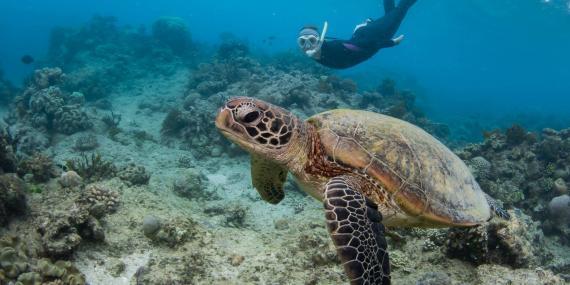
The Caribbean nation of Grenada is made up of a handful of stunning tropical islands, among which is Carriacou. A diver’s paradise, the island is surrounded by coral reefs. It is even thought that the name Carriacou is derived from the words “island of reefs” in the island’s indigenous language of Kalinago. Like other coral reefs worldwide, Caribbean reefs are an irreplaceable reserve of biodiversity but exist in a sea of threats.
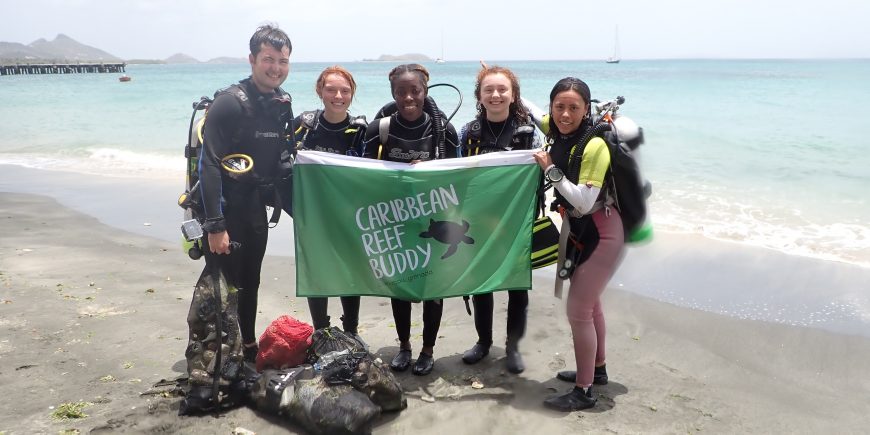
Fortunately, local organisations are working to promote a stronger future for Grenada’s reefs. WorkingAbroad teams up with Caribbean Reef Buddy, based in Carriacou, to offer volunteers the unforgettable opportunity to contribute to coral conservation, earn diving qualifications, and gain a meaningful experience of Grenada and its fascinating marine ecology.
Carriacou, Grenada
Grenada’s biggest island, of the same name, lies at the southeastern corner of the Caribbean Sea. Carriacou is situated just northeast of Grenada island, amid the huddle of coral reefs that likely gave it its name. Notably under-represented in some travel publications and hailed as an unspoiled oasis in others, Carriacou has avoided mass tourism in a way that is not so common in the Caribbean. This lesser-known island nevertheless has a whole lot to offer.
Carriacou harbours plenty of culture, including the lively February carnival, and for diving and snorkelling it’s hard to beat, with miles of clear blue coastal waters and vibrant reefs to explore. The reefs might be a marvel to observe but they are also a habitat for a whole community of wildlife, meaning their preservation is of great importance for local biodiversity.
Reefs under threat
Of all our planet’s ecosystems that are threatened by anthropogenic (human-derived) environmental changes, coral reefs could be among the most vulnerable. The most famous and perhaps most spectacular reefs favour shallow, tropical waters, but corals can be found around the world. One thing nearly all corals have in common though is that they need very specific conditions to survive. This gives them less opportunity to become resilient to any changes in their environment.
Unfortunately, the world’s oceans are facing significant changes, and the Caribbean Sea is no exception. Coral reefs in this region have been under a whole range of interacting pressures for decades. Some major threats need further research and constant monitoring: for example sudden declines of sea urchins which keep coral-smothering algae in check, coral bleaching events caused by rising ocean temperatures, and diseases such as the white-band disease. Meanwhile other stressors such as overfishing, invasive lionfish, and reef damage due to hurricane Beryl (July 2024) can be tackled on a more local scale.
Working for reefs
Though the dangers facing reefs are many, coral conservationists continue to work on restoring and protecting these valuable ecosystems. Long-term reef monitoring helps to keep tabs on the health of the ecosystem, identify trends or warning signs, and analyse the success of conservation efforts. Organisations or local communities can hunt invasive species to help reduce the pressure their numbers generate. Campaigning for sustainable fishery management is one way to confront overfishing, along with education and engagement with communities and businesses.
Where coral is damaged by factors like algae, bleaching, or extreme weather, coral restoration projects can help to rebuild reefs. There are a range of ways to help reefs recover. Fragments of coral collected from remaining reefs can be used to grow new corals in underwater ‘nurseries’ though asexual reproduction. Once grown to a certain size these young corals can be ‘planted’ on the recovering reef. Adding artificial structures to the sea floor can help new corals adjust to their environment. Corals can also reproduce sexually and scientists have used artificial fertilisation to promote genetic diversity and even grow corals with better resilience to heat.
Volunteer impact
Caribbean Reef Buddy was established on the Caribbean island of Carriacou to provide a sustainable resource that would independently help measure, monitor, and educate the local community, local government and volunteers. The data collected also helps guide the environmental planning of our fishery and marine protected area.
No singular approach can protect and restore reefs most effectively. WorkingAbroad’s Caribbean Reef Diving project gives volunteers the chance to gain a well-rounded experience of reef conservation. Volunteers will assist with reef monitoring, surveying the seabed and recording reef species from macroinvertebrates all the way up the food chain to sharks and other predators.
Alongside this important research, volunteers take an active part in lionfish containment and coral regeneration. Whether you already love diving or are keen to learn, why not advance your skills while also learning about coral reef ecology and making your contribution to marine conservation?
We are family friendly too! Our programme welcomes any individuals over 17 years old, but can also support families and groups with younger participants (min 12 years old). We tailor the project specifics and theory to the target audience to make it a thrilling and informative session in which all the family can participate.



 Fortunately, local organisations are working to promote a stronger future for Grenada’s reefs. WorkingAbroad teams up with
 Volunteer impact