By joining a meaningful and ethical project, volunteers get a chance to gain an eye-opening experience and to leave a positive impact on local communities, both human and wildlife. But before we can make a difference, we must first ensure we’re not causing harm.
In this blog, we’ll explore the seven Leave-No-Trace principles and how to apply them on your next volunteer trip (and to all adventures in nature for that matter!).
What is Leave No Trace?
Leave No Trace is a nonprofit organisation that promotes ethical behaviour in nature through its outreach, training, and educational activities across the US and in over 100 countries around the globe. It also conducts research that forms the basis of its recommendations, such as the core seven Leave-No-Trace principles. These principals are brilliant and exactly the sort of thing we want our ethical volunteers to be mindful of when volunteering abroad with WorkingAbroad.
What are the seven principles?
These guidelines are designed for campers, hikers, and anyone spending time in nature. Let’s explore each one and how they apply to a volunteer trip with WorkingAbroad.
Plan ahead and prepare
The projects we work with provide volunteers with detailed packing lists. It’s essential to review these carefully and follow them to the letter. For example, if you’re joining a turtle rescue project during nesting season, you may be required to bring a red-light head torch and a dull-coloured jacket. These help prevent turtles from spotting you and turning away from the beach where they intended to lay eggs. Show up without the necessary gear, and if there are no spares, you’ll miss out on an unforgettable turtle-spotting experience.
Beyond the essentials, some requirements may not be explicitly listed simply because they seem obvious to the organisers. For instance, they might not mention that a backpack is far more practical than a suitcase. Doing your own research — reading volunteer blogs, talking to past participants, and considering the logistics of the trip — can save you from the nightmare of dragging a suitcase through the jungle while switching from a jeep to a boat to reach your project site.
Lastly, give yourself enough time to prepare properly. Some projects are located in remote areas where waste disposal is a challenge. If your placement requires biodegradable hygiene products, start testing different options well before your trip to find what works for both your skin and the environment.
All of WorkingAbroad’s projects have on hands friendly and helpful staff, to help you plan your free time where you may want to go exploring!
Travel and camp on durable surfaces
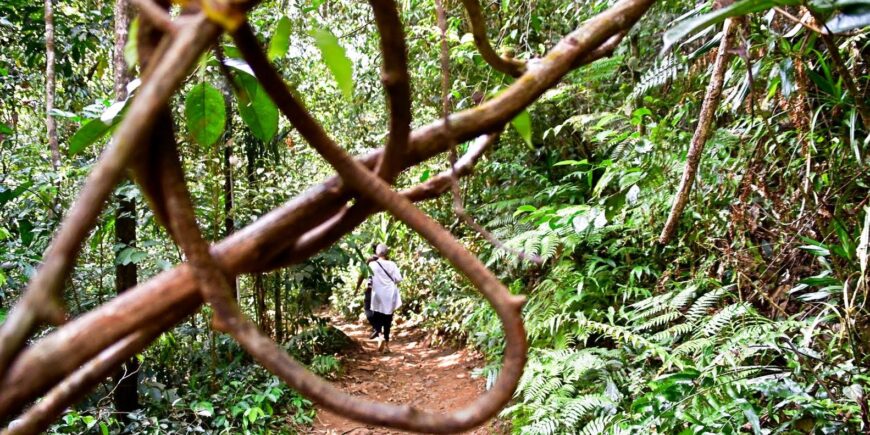
Many WorkingAbroad projects take place in pristine natural environments. To preserve the landscape, something as simple as choosing where to walk can make a big difference.
For example, the path from your cabin to the shower may take you through forest. Over time, hundreds of volunteers walking the same route can cause vegetation loss and soil erosion. To minimise your impact, walk on durable surfaces like wooden paths, gravel, or rock whenever possible.
If there are no designated paths in sight, stick to areas that are already trampled rather than creating new trails. The same principle applies to leisure and activity areas. If a site is already impacted, use those spaces rather than disturbing new areas. But in untouched areas, do the opposite — spread out to avoid concentrating wear in one place.
Some of our projects, such as in St Eustatius even work on creating and maintaining trails to help keep recreational users and wildlife safe.
Dispose of waste properly
Your project will likely have its protocols for waste disposal. But here are a few things to consider ahead of the trip:
Minimise packaging: If you need to bring specific foods or medications, remove unnecessary packaging before you travel.
Leave space in your luggage: If your project is near a lake, sea, or river, you may be invited to participate in shoreline cleanups. If you come across non-recyclable waste, you might decide to bring it home to dispose of it properly.
Plan for specialised waste: For items like menstrual products, check your project’s protocols and refer to Leave No Trace’s guide for best practices.
A lot of WorkingAbroad’s projects go further than this principal and organise their own beach clean efforts to help reduce litter in our natural environments!
Leave what you find
This principle says it all — leave what you find, where you find it, whether it’s cultural structures or natural objects. To us, shells and stones might seem like cute souvenirs, but in nature, they could be someone’s home. Take a photo or do a sketch instead — these make lovely keepsakes too!
If your project involves DIY tasks, refrain from nailing into trees or carving signs or initials, as this can lead to long-term disease and decay.
Last but not least, when packing for your trips both there and back, check your gear for invasive species. Seeds, insects, or even tiny aquatic organisms can hitch a ride on your shoes, clothes, or backpack, potentially harming the ecosystems they land in.
Minimize campfire impacts
Building a fire may not be part of your volunteer trip, but if it is, follow these best practices:
Use a metal fire pan.
Only use small sticks that you can break with your hands. This ensures you don’t accidentally leave behind a smouldering log.
Burn all wood to ash, then put out the fire completely by drowning it with water. Check to make sure the ashes have cooled before scattering them — they make great organic fertiliser!
On many of our projects you’ll often be out in the wilderness and camping, such as at our Namibia Desert Elephants project. So it is really important to keep this principal in mind, although all our projects that camp will teach you sustainable fire practices.
Respect wildlife
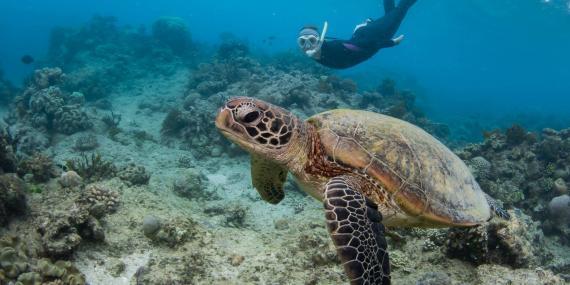
Think of visiting nature as stepping into someone else’s home — because for wildlife, it is. The best way to be a considerate guest is by keeping a safe distance, avoiding any interference in the animals’ natural behaviours (such as mating or nesting), and never feeding them human food as they might not be able to digest it properly. Observing without disrupting ensures that wildlife can continue their lives undisturbed.
Be considerate of others
For many of us, spending time in nature is about soaking up the sounds — the rustling leaves, the buzzing insects, the intricate birdsong. Keeping noise to a minimum and using headphones for music ensures that everyone can enjoy these peaceful moments, including our host — wildlife.
But consideration goes beyond keeping quiet. A truly enriching volunteer experience comes from openness — welcoming different perspectives, appreciating cultural diversity, and sharing knowledge without imposing. It’s this curiosity that can turn your next volunteer trip into a life-changing experience.
To learn more about thoughtful travelling, check out this blog.
Ready to put these principles into action? Find a project that inspires you and start preparing!



 Plan ahead and prepare
 Dispose of waste properly
 Minimize campfire impacts