
 Useful Information About Laos
Laos, often remarked as the forgotten country in southeast Asia, is slowly drawing people’s attention. It combines stretches of tropical forest across mainly mountainous terrain with the contrasting chaos of the main towns’ bustling roads. Its southern wetlands and small set of central plains are often set against the backdrop of towering mountains in spectacular fashion and it is easy to lose yourself in the crystal clear pools of Kuang Si Falls, south of the Luang Prabang province. Did you know, Lao culture is cantered on the pleasures of life? They like to enjoy drinking, laughing and friendship. ‘Muan’ means enjoyable but is also a state of being in the country. With all the joy to experience both in the bustling towns and serene nature parks, if you are ever asked ‘Muan Baw?’ which roughly translates to ‘are you happy?’, you will most likely always say yes!
To read more about Laos’ climate, geography, history, culture and biodiversity, please click here.
Read more about the sanctuary’s welfare policy and story
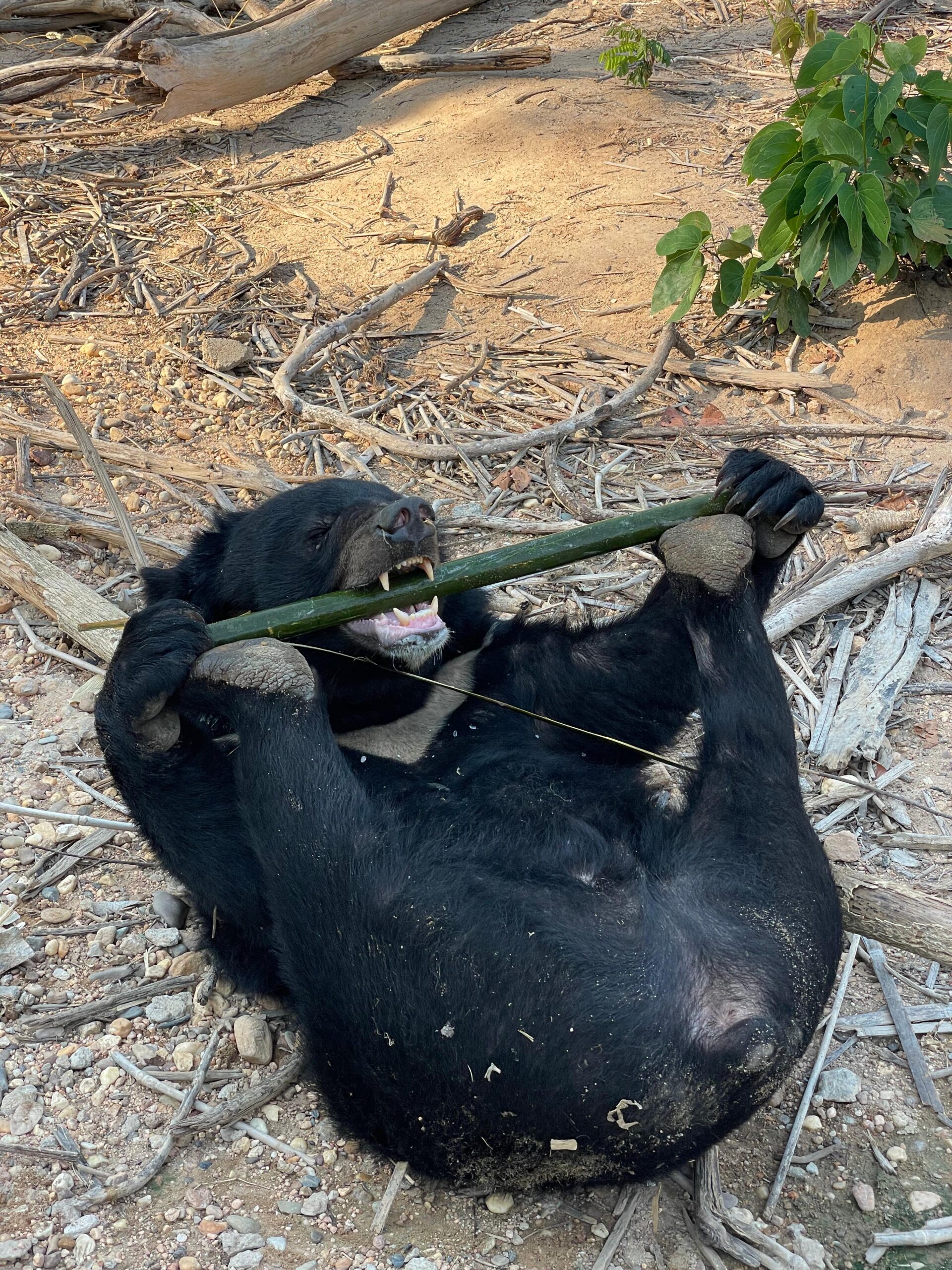
Laos is a major gateway of the illegal wildlife trade from Southeast Asia. Untold numbers of protected wild animals and their parts are smuggled in and out of the country. Biodiversity is declining and risks to humans are increasing from emerging diseases.
The project aims are to improve the conditions for our resident animals rescued from the illegal wildlife trade, provide rehabilitation to prepare for release, release animals into protected areas, and continue partnerships with government and other NGOs to combat the illegal wildlife trade.
The project’s work has grown and expanded to encompass local and global conservation and education programmes. In 2018, they officially became a registered Lao non-profit – the first all inclusive Lao registered wildlife rescue and conservation organisation in Lao PDR.
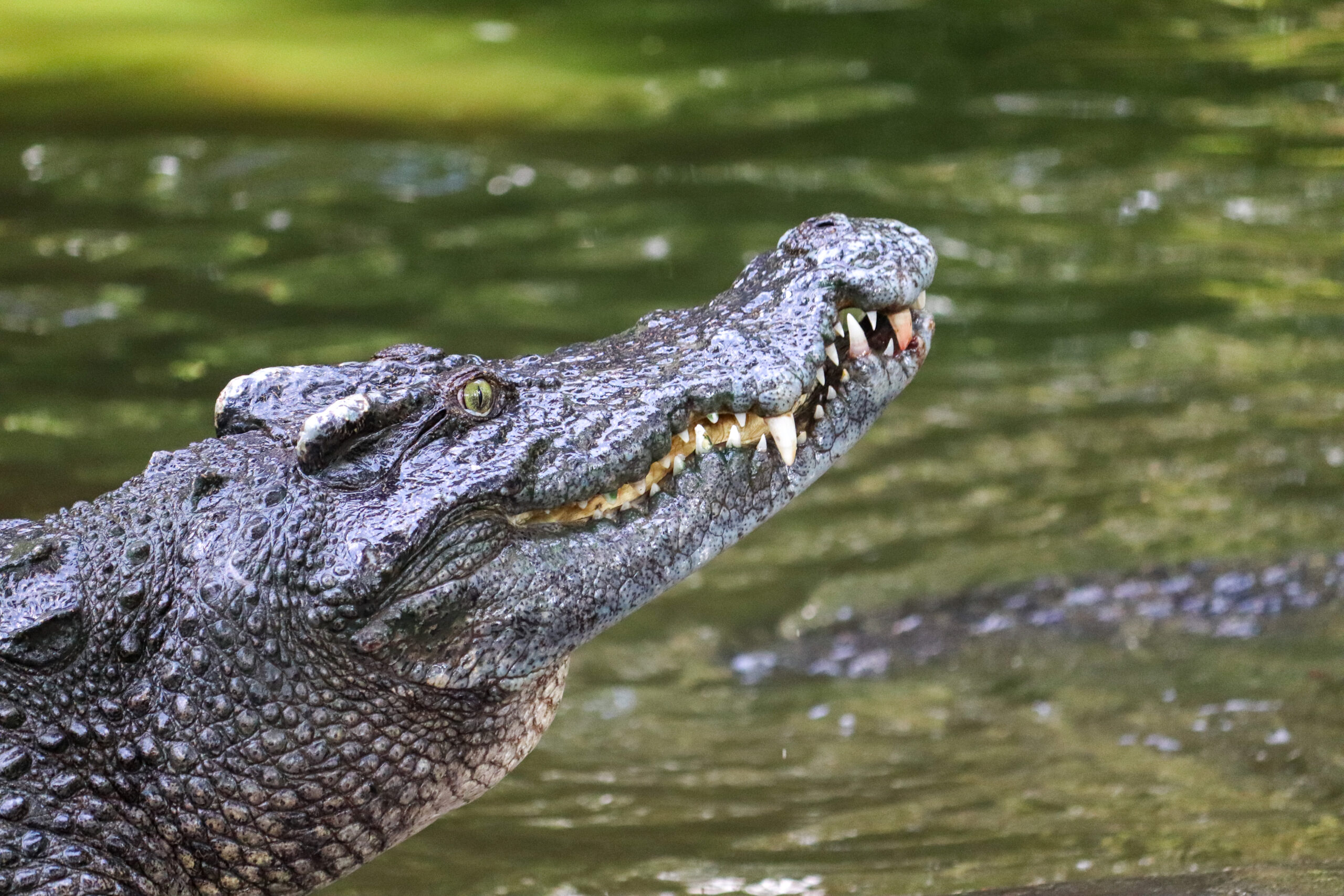 They work closely with the Lao government to build better infrastructure, laws, welfare and community projects to help protect the wildlife of Laos. The Rescue Team, which is on call 24/7, receiving tip offs via our National Wildlife Crime Reporting Hotline, covers cases throughout Laos and has become a vital partner for law enforcement.
Today, the programme is focused on caring for our residents animals, rescuing and releasing animals, and continuing to improve our new site. In 2022 – 2023, we saw over 30,000 visitors to our centre. Outreach programmes bring the possibility and excitement of conservation to people of all ages in schools and local communities. We work hard to make a direct impact on our community, and have recently began hosting school groups, welcoming them to our new site to learn about the importance of conservation.
Our project also works with other local, regional and global NGOs as well in-country Embassies and multigovernment organizations such as the United Nations. Together, we share knowledge and collaborate to address the illegal wildlife trade, conservation, and global animal and human health.
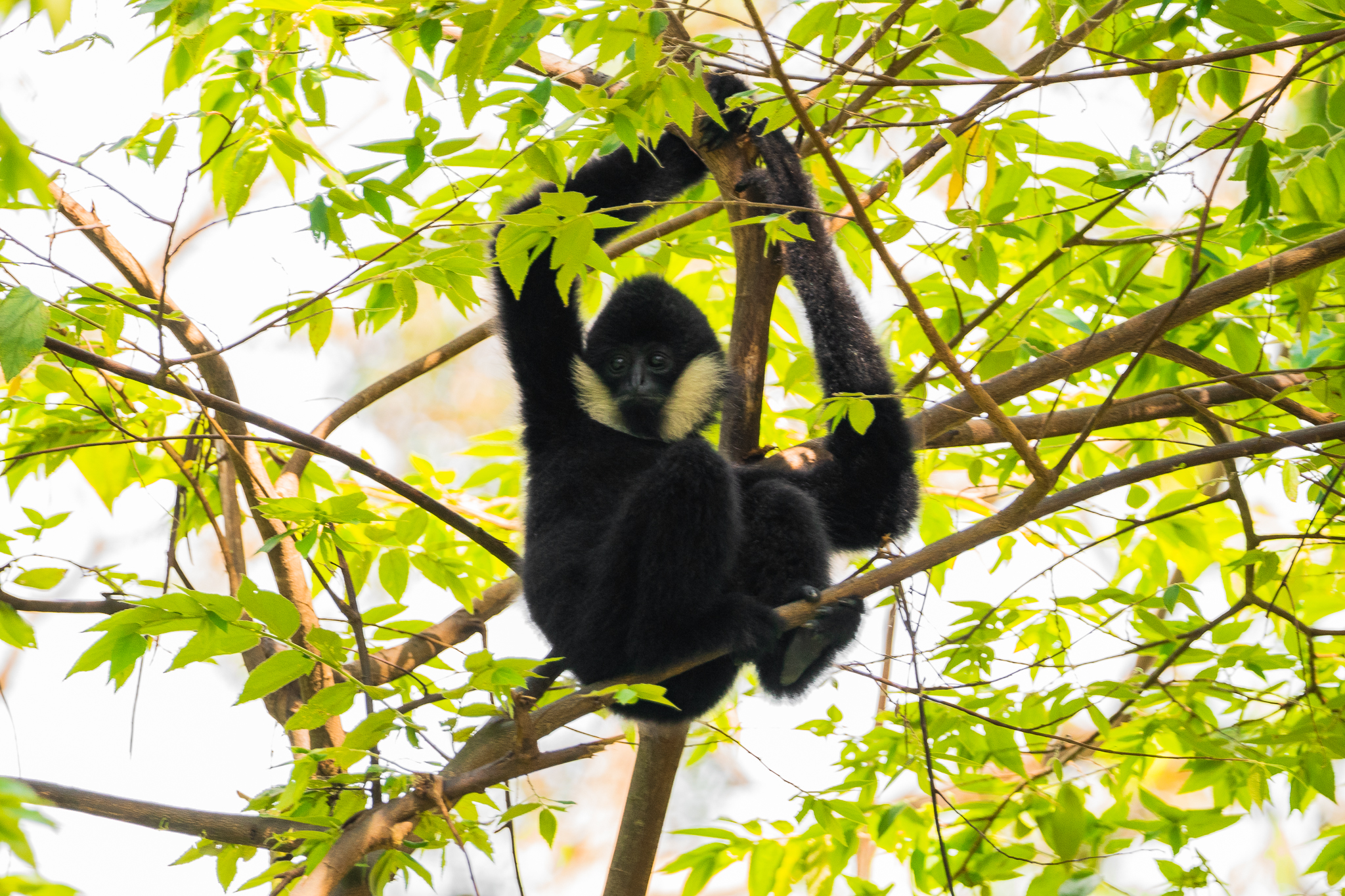 The united vision of the whole team at the project is for our whole site to contribute to wildlife conservation and research, become a hub for education, and to protect and provide the best care to our rescued and long term wildlife residents. Animals who are suitable to be released to the wild will be returned after passing through our rehabilitation program. Every animal that comes to our centre will be assessed by our wildlife professionals during this rehabilitation process. All of our rehabilitated animals are released in protected areas throughout Laos depending on the species and where there is a known population.
Many victims of the illegal trade will have long term or permanent health issues. If this is the case, we can provide lifelong sanctuary for wild animals who can’t be returned back to the wild. In our wildlife sanctuary, we allow our residents to live in natural environments with appropriate social groups, excellent nutrition, enrichment and world class veterinary care.