
The top 10 reasons why this Wildlife Rescue Centre is so unique:
 1. Its history laid the foundations for a non-profit that will always prioritise the animals’ welfare. After all, the founder purchased the land and animals to save them from wildlife traders, who were exhibiting the animals in terrible conditions to then ship them abroad. After purchasing land for animal release, he then liberated all releasable animals and created large, natural habitats for the non-releasable wildlife.
2. Its contribution to educating people on how to treat animals and why humans are the biggest reason why animals can’t be released: Most of the non-releasable animals cannot survive in the wild because they are too used to humans. This is why they would never permit a visitor to hold an animal.
They have even been involved in a nationwide anti-selfie campaign to create awareness that wild animals should not be humanised. As soon as they are too human-oriented, they cannot be released into the wild. If you wonder why just imagine a jaguar walking into your backyard because he likes to play with humans. Often animals are shot or abused because people are afraid of them and our duty is to prevent this from happening by educating people, by releasing animals only in safe areas and by giving the non-releasable lifetime care in the sanctuary.
3. The fact that only animals that cannot be released back into the wild are kept in the sanctuary. Sometimes they are only kept for a while until their human-made behaviours can be reverted.
4. Its commitment to enriching the lives of animals in the sanctuary as much as possible. They are constantly improving the lifetime care sanctuary facilities, one habitat at a time. They won’t ever stop enriching and enlarging the habitats, because it is always possible to improve the life of a lifetime care animal and we embrace that. It is crucial to make sure the habitats contain animal enrichment, to prevent possible behavioural disorders of animals in captivity.
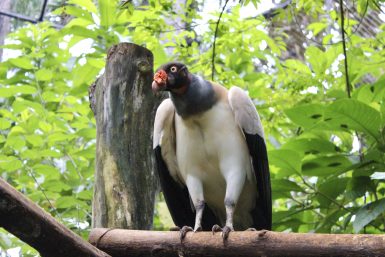
5. Hence, what makes its sanctuary so exceptional is the size and authenticity of the lifetime care of sanctuary’s habitats, which have the look and feel of the animals’ native environment and consist of 34 acres of natural tropical forest.
6. The Lifetime Care Animal Sanctuary’s habitats do not force the animals to see humans all day, because most enclosures are so large that animals can choose to hide from visitors. By providing such large habitats, they can identify if any animals may become releasable if they frequently hide from humans – their natural behaviour. The work to improve the animal habitats is always ongoing, and they still have a few older enclosures where animals can’t hide from humans yet. Be assured that they are working on enlarging them as a priority, and the only reason for not doing this yet is a lack of funding.
7. The incredibly well equipped Wildlife Rehabilitation Centre, a veterinary clinic and centre for rehabilitation, where everything is done to cure injured animals and maximise the number we release back into the wild. To make sure that animals in the clinic do not get used to humans, the clinic staff can see them through one-way windows, but the animals won’t be aware that they are observed. Also, the Rehabilitation Centre provides habitats for releasable animals far from sanctuary visitors.
8. Its innovative release techniques increase post-release survival rates. What makes those techniques so unique is the enrichment invested into keeping the animals’ natural behaviours, getting them used to their release habitat first before releasing them completely and making sure that they have the needed nutrition to survive in their first weeks after the release.
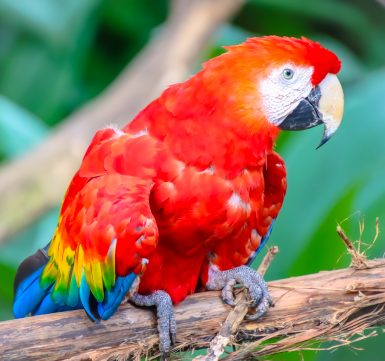
9. Its breeding and reintroduction programme is an exceptional example of how much can be done to prevent the threat of mass extinction worldwide. They already have saved several Costa Rican species from extinction such as the Central American Squirrel Monkey and they are continuing our work with breeding programmes such as the Scarlet Macaw program. Even on a local level in Alajuela, they have recovered single-handedly the extinction of iguanas and chachalacas, which are now flourishing in the area again.
10. Its volunteering opportunities and internships are set up to benefit the animals and not threaten them. Hence, only volunteers with the right training and experience have direct contact with the animals, and only where necessary.