
About the Wildlife Rescue and Rehabilitation Internship Project
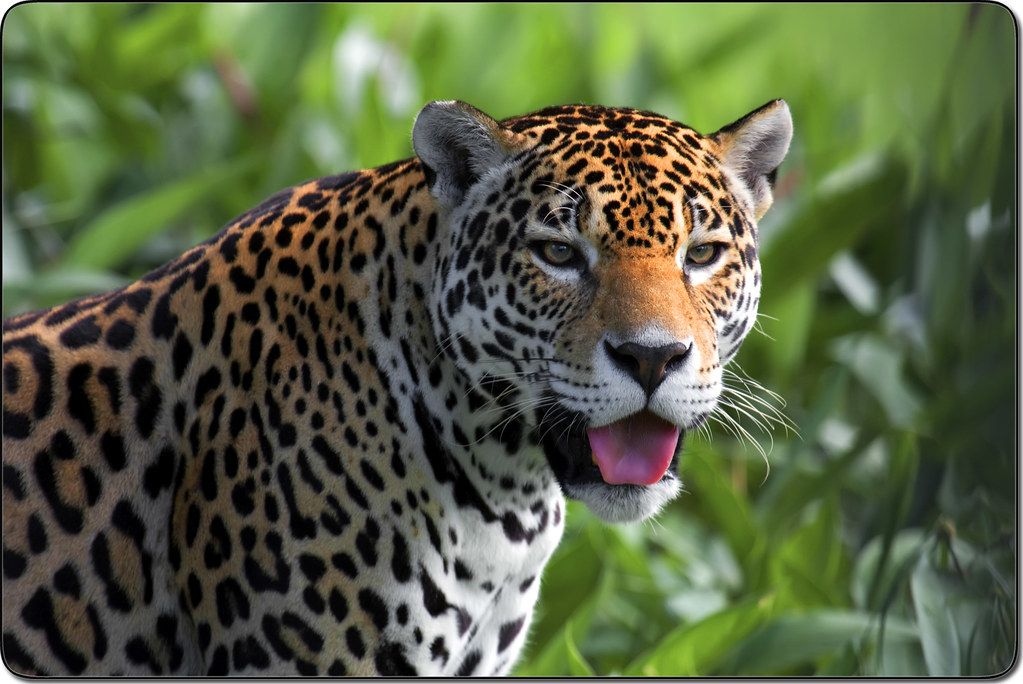 The organisation is the largest of its type in Costa Rica and annually receives about 3,000 animals into the rescue and rehabilitation centre. They are one of only 2 GFAS registered sanctuaries and operate under very strict guidelines.
The central valley site incorporates a Wildlife Rescue and Rehabilitation Centre incorporating a state-of-the-art veterinary clinic, an Endangered Species Wildlife Reproduction Centre and a Life-time Care Sanctuary consisting of 34 acres of tropical forest. More than 800 of the birds, mammals, and reptiles covering 125 species have been rescued and cannot be released due to health or behavioural reasons.
The extremely large and highly vegetated enclosures in the Life-time Care Sanctuary allow non-releasable animals to live out their lives in a safe, serene and natural environment.
As a wildlife rescue and rehab intern, you will be living and be working inside the Life-time Care Sanctuary. A wide variety of non-releasable animals find refuge in the park including, jaguar, tapir, puma, coyote, margay, ocelot and numerous species of monkeys, birds, and reptiles.
There are also a lot of released animals and native wildlife living free in the park including, agouti, iguanas, toucans and great curassow to name a few.
 In addition to releasing wildlife in the Life-time Care Sanctuary, the organisation also maintains two release sites; Bosque Escondido Wildlife Refuge, a 1,800-acre dry tropical forest in the Nicoya Peninsula and; Golfito, a 37-hectare tropical rainforest, backing onto the Piedras Blancas National Park in the province of Puntarenas, where wild animals are returned to their natural environment.
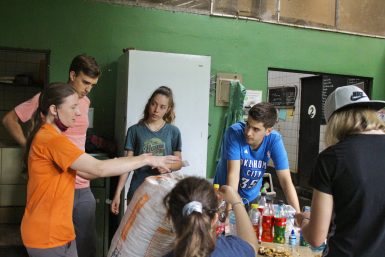
The interns form an integral part of the team and support a number of important roles from daily feeding and enclosure cleaning to providing enrichment of over 200 species that are part of our lifetime care sanctuary. Interns assist with projects like clicker training with the big cats and coyotes, primate introductions, behavioural data collection in our endangered species breeding centre and building physiotherapy toys for sick and injured animals.
As the largest centre of its kind, the project can offer every intern a unique and unforgettable experience.
Endangered species breeding and release programme
Beginning in the 1990s, the organisation has had unparalleled success in breeding and releasing a number of locally endangered species here in Costa Rica. These include the Scarlet Macaw, Great Currassow, Crested Guan and Geffory’s Spider Monkey. Our efforts in this area are ongoing and all interns will get to participate in these important conservation projects as we are still very active in this space.
 What do Wildlife Interns do?
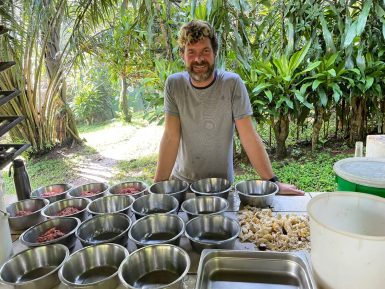
- Assist the caregivers in the Lifetime Care Sanctuary and Endangered Species Breeding Centre with feeding, cleaning and maintenance.
- Collect data for behavioural research in the Endangered Species Breeding Centre.
- Learn to recognise and collect wild foods for baby sloths and howler monkeys in the Rehabilitation Centre.
- Participate in weekly lecture series on wildlife care, rehabilitation and conservation.
- Design and implement animal enrichment in the Lifetime Care Sanctuary, Endangered Species Breeding Centre and Rehabilitation Centre.
- Clicker training animals in the sanctuary to allow for veterinary checks.
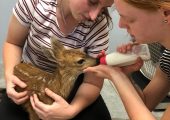
Please note: The Wildlife Rescue Centre has a strict “hands-off” policy in all areas of the centre. This is not only for the safety of our interns but also prevents rehabilitating animals from becoming too habituated to be released. While we completely understand the desire to be close to animals, allowing any animals going through rehabilitation and pre-release process to be handled by a regularly changing intern group would be unethical and detrimental to their welfare.
One day you may be collecting natural browse for the baby sloths in the Rehabilitation Center, another day you may be monitoring the behaviour of the Scarlet Macaws in the Endangered Species Breeding Centre or making environmental enrichment for the coyotes in the Lifetime Care Sanctuary and yet another day you might be helping to clicker train Guapo the jaguar!
Various projects are developed throughout the year and there are often opportunities for longer-term interns to assist at our release sites in Nicoya and Golfito. A “typical day” will be different depending on the needs of the animals.
 Example Schedule:
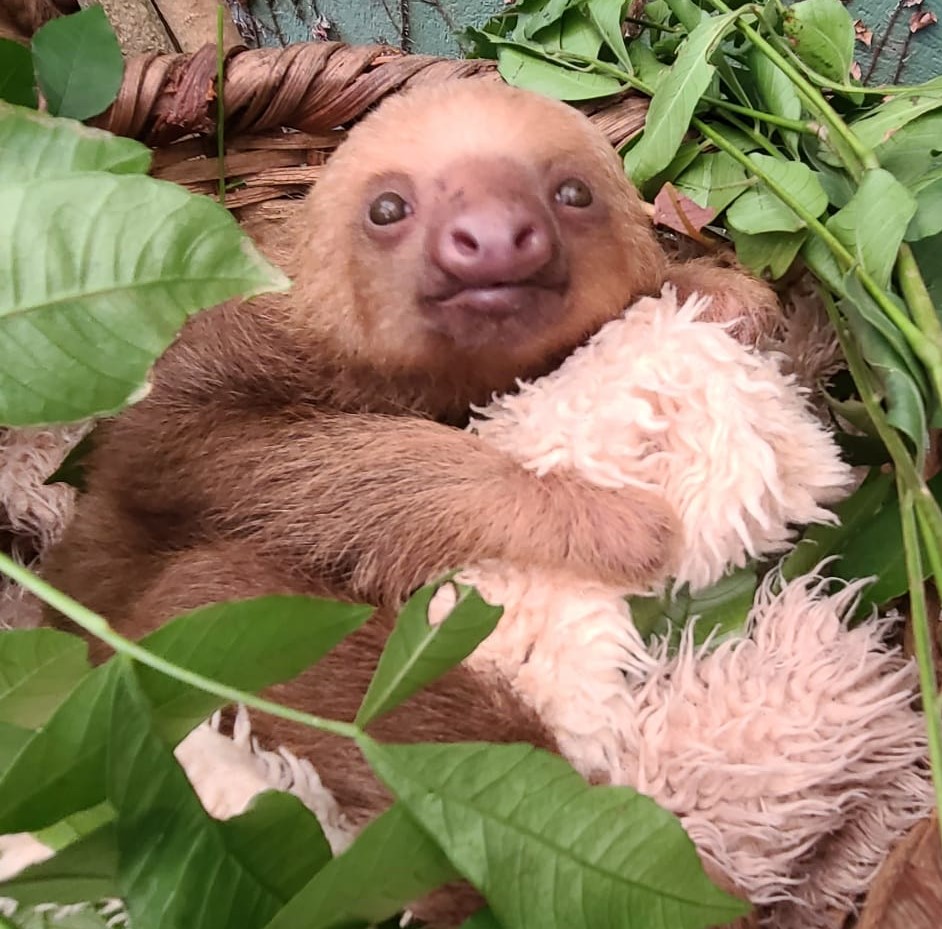
- 7 – 9:30: Identifying and collecting plants for infant sloths and monkeys and cleaning enclosures in the Rehabilitation Centre.
- 9:30 – 10: BREAK
- 10 – 12pm: Designing, building and implementing enrichment items for animals in the Lifetime Care Sanctuary.
- 12 – 1pm: LUNCH
- 1 – 3pm: Feeding the Great Green Macaws and Scarlet Macaws in the Endangered Species Breeding Centre.
- 3 – 4:30pm: Wildlife Lecture Series
- 4:30-5pm (optional): Big cat clicker training and enrichment.
Road to Freedom Internship Programme
Our Internship gives you the unique opportunity to not only see, but to play an active part in what we call: The Road to Freedom. Our Wildlife centre receives thousands of primates, sloths, wild cats and other animals that have been rescued from the pet trade, injured, sick, or orphaned. It is at the Bosque Escondido on the Nicoya Peninsula that we see the fruition of our team’s hard work. They aid the animals in their release and their second chance at life in the wild, the final step on their Road to Freedom. If needed, we are happy to help you design a programme that meets your University’s academic requirements for credit.
What do Road to Freedom interns do:
- Monitor and release critically endangered and rescued Spider Monkeys, Howler Monkeys, Capuchin Monkeys, Peccaries, Macaws, Parrots, and more
- Collect data during the prerelease process to help determine release fitness
- Monitor the animals post-release to ensure their long-term survival
- Prepare food, refill wildlife feeding stations and quantify how much has been eaten
- Conceptualise, create, and implement environmental enrichment activities for the animals in pre-release
- Identify and collect natural foods to teach the animals to forage for food post-release
- Personal Project: Volunteers who stay 8 weeks or longer, have the opportunity to create and carry out a personal project based on an area of their interest or conduct research for University.
For more details on this and requirements to join plus logistics of transferring to this site, please email: victoria.mcneil@workingabroad.com
Wildlife Vet Internship Programme
We also offer a Wildlife Vet Internship programme for pre-vet, vet, vet technicians or graduated vets as well – where you would work directly alongside the wildlife vet on site. This internship will help prepare you for a career in Veterinary Medicine. You will assist our veterinary team in the clinic performing exams, treatments, surgeries, and various procedures. You will also assist in the intake of injured and orphaned wildlife, provide routine daily cleaning and feeding for the animals currently residing in the clinic, collect blood and other laboratory samples, conduct laboratory analysis in our in-house laboratory, participate in the development and implementation of preventive medicine protocols and assist with or conduct necropsies.
Interns should expect a busy, highly variable environment with a high number of emergency cases and/or confiscations coming in at a moment’s notice. The level of participation in clinical cases will depend greatly on the skill and experience level of the student and the number and type of cases presented during the internship period.
Please email victoria.mcneil@workingabroad.com for more information.
Primate Research Assistant or Psittacine Research Assistant
The project are looking for motivated candidates to join the long-term rehabilitation and release research programme at the release site, in Bosque Escondido, in the dry tropical forest of the Nicoya Peninsula, Costa Rica. This position is designed for individuals who want to gain professional-level work experience to strengthen their CV, with a time commitment of 3-months minimum needed.
As a Research Assistant, you will actively contribute to ongoing projects working towards peer-reviewed scientific publications. This position offers significant research responsibilities along with personalised professional training.
In this role, you will primarily focus on either primates or psittacines, taking on the title of Primate Research Assistant or Psittacine Research Assistant accordingly. Our work centres on several key species, including spider monkeys, howler monkeys, and white-faced capuchins, as well as scarlet macaws, yellow-naped and white-fronted parrots, and both orange-fronted and orange-chinned parakeets. In addition to these focal species, we occasionally release other animals, which you may have the opportunity to work with.