
Food, Lodging and Travel
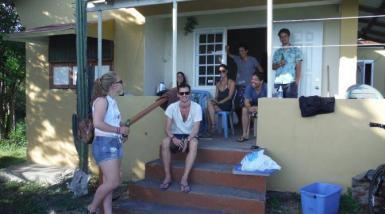 The volunteer house in a quiet part of the island. Accommodation is available for a maximum of 16 guests. It consists of two dorm rooms (three bunk-beds per room) and two single rooms (with a bunk bed) with ensuite bathroom.
All rooms have air conditioning (during evening and night time), and you share a communal, fully equipped kitchen and living space. Dorm rooms share a balcony with sea view. Each room has its own toilet and shower.
The washing machine and dryer are available at no extra cost. A cleaning fee of $50 per person will be applied upon arrival. You can arrange your own accommodation as well, however ours is probably the most affordable accommodation available on the island.
You will be responsible for preparing all of your own food. Food is not included in the project fee, and so you should aim to budget at least $350 per month for food. You can buy your supplies at one of the local grocery stores. There are also a few restaurants on the island you can visit.
Health, weather and facilities
The climate on Statia is known as a tropical dry climate. It is warm year round, ranging from 25 to 35 degrees, with a gentle ocean breeze. Rainfall occurs during the rainy season, but only for short spells.
Oranjestad is the capital of Statia, which caters for facilities such as internet access, 1 bank (2 ATMs), post office and a few local shops. The ATM machine occasionally runs out of money and rejects some cards, so it is advisable not to run out of cash. The
local currency is the US Dollar.
There are no health hazards to be aware of for Statia, except for sunburn possibly or mosquito bites. You can drink the water straight from the tap in most places, but ask before doing so. The island is very peaceful, and there are no problems with crime or safety.
How to get there?
In general, you can travel from your home country to St. Maarten (Air France, KLM fly on a regular basis from Europe, American Airlines and others from the USA). From there, get a connecting flight with WinAir (return tickets range from $200-$350). There is also the opportunity to use the Makana ferry, which is around $150 for return tickets (but traveling takes longer and can be quite rough).
Who can join as a volunter?
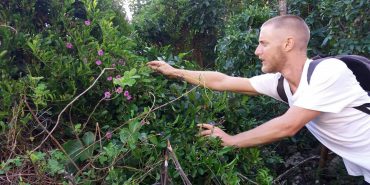 You should be 18 years old or over, fit, healthy and capable of doing strenuous manual work in all weather conditions in a hot climate.
We assess all applications individually, particularly if you have a lot of outdoors or manual work experience. Please email us if you have any questions on this.
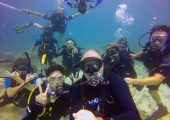
No specific skills or qualifications are needed (but advanced PADI diving certification is required for diving activities), but those with previous experience in manual conservation work, trail work, gardening, sea turtle monitoring etc. would be particularly useful, as well as those who are self-motivated.
We need people who take their own initiative and are flexible. Keep in mind that the programme is an NGO with limited funds and capacity. Tools and equipment can get broken, so you have to be able to overcome these adversities. You will work in a cross-cultural environment, so the success of your volunteer project depends on being accepting of alternative practices from your own.
The project will especially appeal to those with an interest in conservation, tropical botany and marine biology. Anyone with additional skills, such as ornithology are especially welcome.
Work Permit
Interns and volunteers who are not Dutch or US citizens are required to obtain a work permit to volunteer here for over 2 months, but if you come for 2 months or less, you can come on a tourist basis now. Dutch and US citizens can stay up to 3 months without this, but if they wish to stay longer they will have to go through the same process. The cost for this process is $248.