
Food, Lodging and Travel
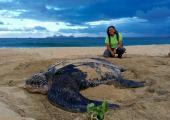
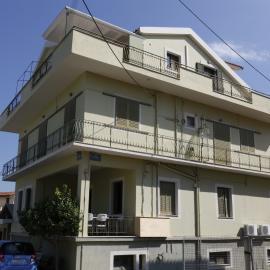
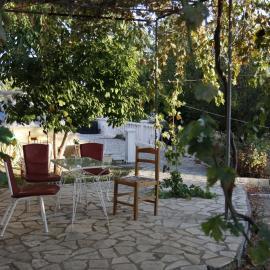
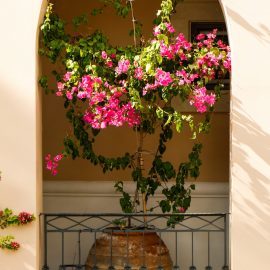
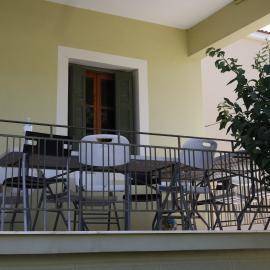
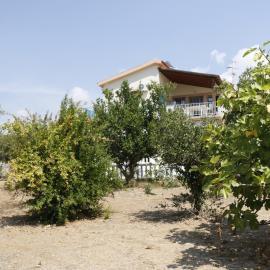
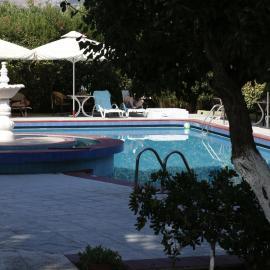
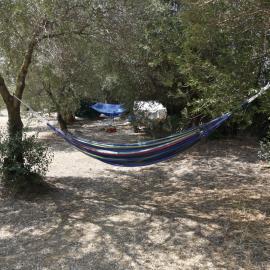
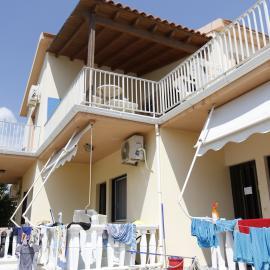
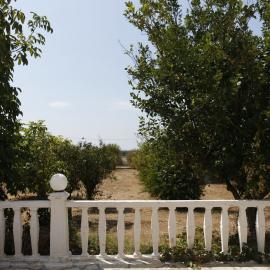
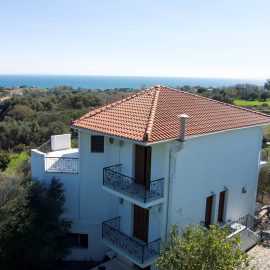
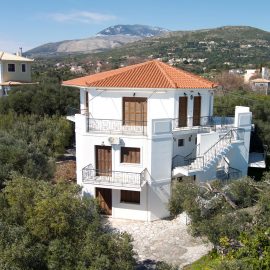
Both Sea Turtle project locations offer shared apartments near the nesting areas. Field stations are all situated near to one of the nesting beaches. Volunteers get around on foot and by bicycle. The nesting beaches in Argostoli are quite close to the house which is located in quite a rural location and boasts a huge garden full of lemon, orange, fig, plum and grapefruit trees, hammocks and lots of places to relax in. The nesting beaches in Lixouri are a bit further away by bicycle, however you are a short walk to the central square in Lixouri where you can indulge in delicious ice creams in the evenings, and there are plenty of restaurants and bars too. All beaches are accessible when you want to swim, sunbathe, and relax during your free time. There are also swimming pools on foot next to both field stations that volunteers can use in free time. All field stations have electricity, cooking facilities, and bathrooms with hot-water showers. Wi-Fi is available at the local cafes and restaurants and the mobile phone connection is good enough from both houses to use for internet too. You can bring a laptop or smartphone to connect and stay in touch with family and friends.
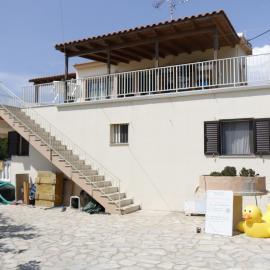
On both Marine and Coastal programmes in Skala and Svoronata, volunteers will share an apartment in a large villa. Skala is located on a plot of land full of fruit and olive trees, providing lots of shade and a pleasant outdoor barbecue area. Each room accommodates up to 4 people (mixed gender), with a shared bathroom, kitchenette and a small living area. The accommodation is perfectly centred between the two main areas that will be monitored. The beach of the bustling town of Skala is a 2.3km walk and the tranquillity of Mounda beach is a 1.5km walk.
The Svoronata Field Station offers catered vegetarian meals 5 days a week for 75 Euros for each 5 day period (does not include the 2 days off each week but you can order takeaways on those nights or walk to a restaurant). This needs to be booked 2 weeks ahead of arrival. The Svoronata Field Station is situated closer to the capital of Argostoli. Both are close to beaches, mini-markets and restaurants. Skala is further from the capital but is touristic and has long pristine beaches nearby. The Skala & Svoronata Field Stations utilise bicycles as transport to some shifts.
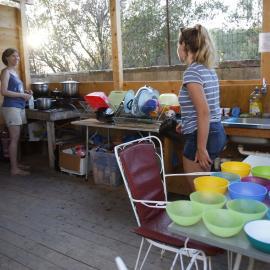
To help volunteers save on food costs, we have equipped our accommodation with fridges, cooking equipment and utensils. Each person is responsible for their own food shopping. Often those sharing the same room will plan meals together and share food to cut costs. Groceries should be around €60-80 per week, per person.
Volunteers regularly arrange outings to local restaurants in groups. This gives you the chance to taste the Kefalonian cuisine and sample delicious local products.
Volunteer Requirements
- 18 years of age or older
- Able to commit to a minimum stay of two weeks
- Comfortable riding a bicycle on hilly terrain
- Be happy to sleep out on the beach at night for a few shifts a week if you choose hatchling rescue dates (July to October)
- Able to walk/bike several hours per day in very hot weather conditions
- Flexible, self-motivated and willing to get involved in hands-on conservation work as part of a team of international volunteers
- Volunteers must be strong swimmers and have had previous experience snorkelling in depths of up to 8 metres. (Coastal and Marine Programme)
- We strongly encourage volunteers to bring their own correctly fitted snorkel masks. (Coastal and Marine Programme)
Travel & Orientation
We recommend that volunteers fly directly to Kefalonia or come via Athens. From Athens, you can get a bus to Kefalonia. You will be met at Kefalonia airport or bus station by a member of our team and will travel to the project accommodation. The first day allows volunteers to rest, settle in and meet the team. We have airport pickup windows for the different project sites on your project start date: Argostoli (9am-11pm), Lixouri (9am-9pm), Skala (9am-7pm), Svoronata (9am-11pm) – so you will be expected to arrange flights to arrive between these times.
Upon arrival, you will attend an orientation session. Here, you will meet the field leaders and the other researchers in your team. The orientation includes a brief presentation about the island and our conservation work in Greece.
On your second morning, you will begin taking part in field surveys. At first, this is done with experienced members of your team who will provide your first in-field training. Your first three afternoons and evenings are packed with training and workshop sessions. This is to get you acquainted with all aspects of our fieldwork and with our supporting keys, guides, and manuals that will be available in the field. Attending this training is essential to your participation and is why you must arrive at the project on time.