
Useful Information about Peru
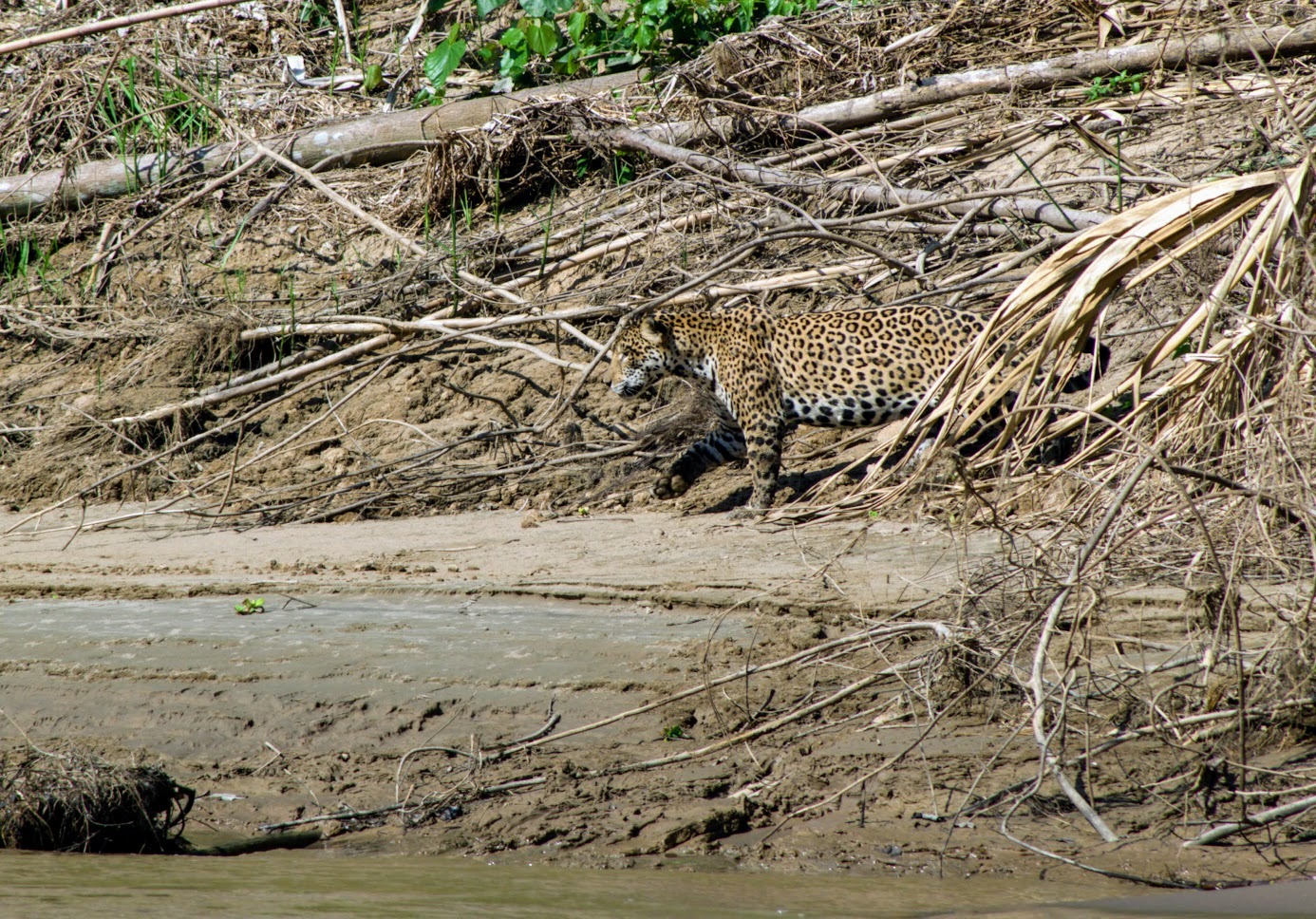
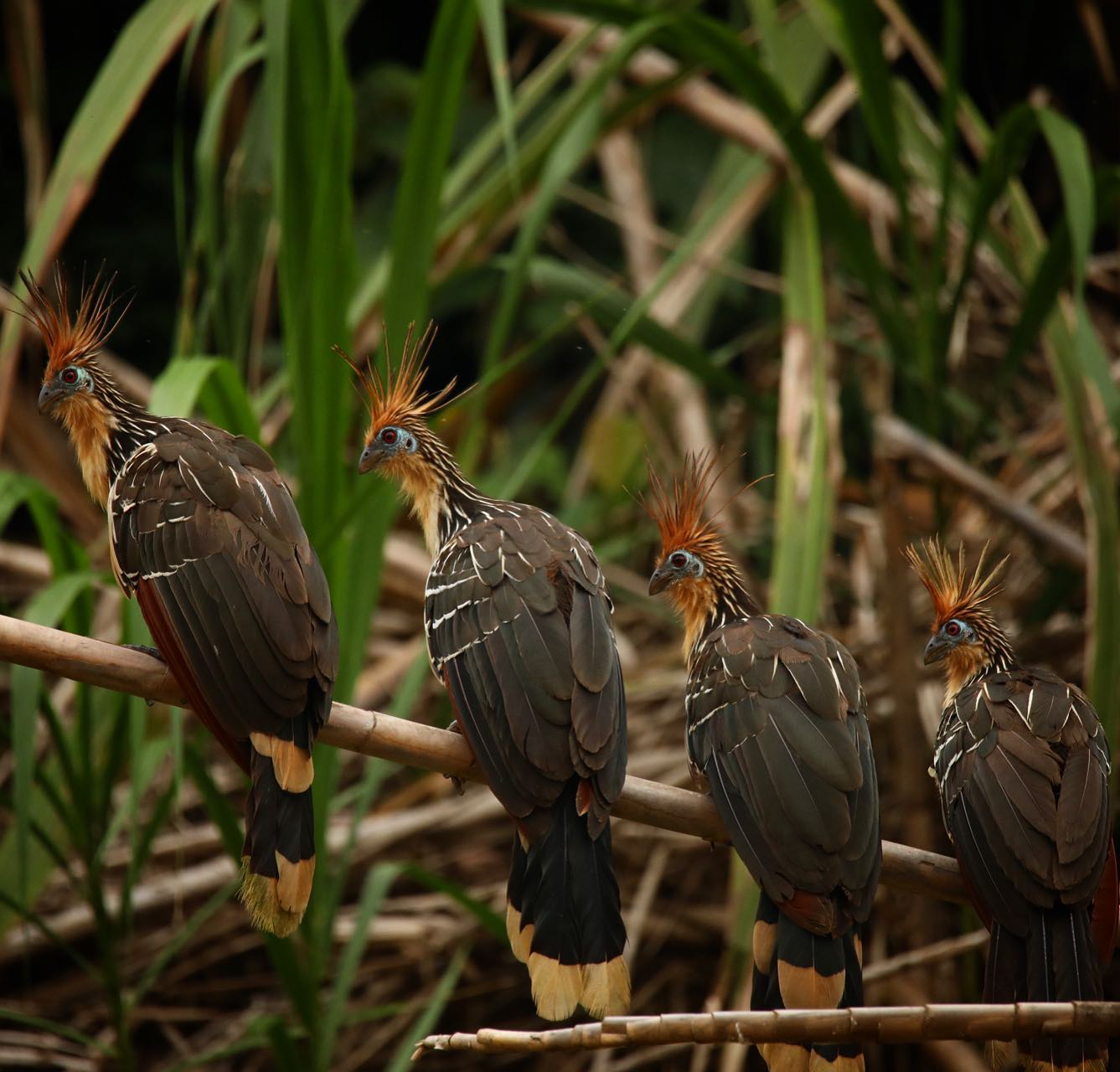
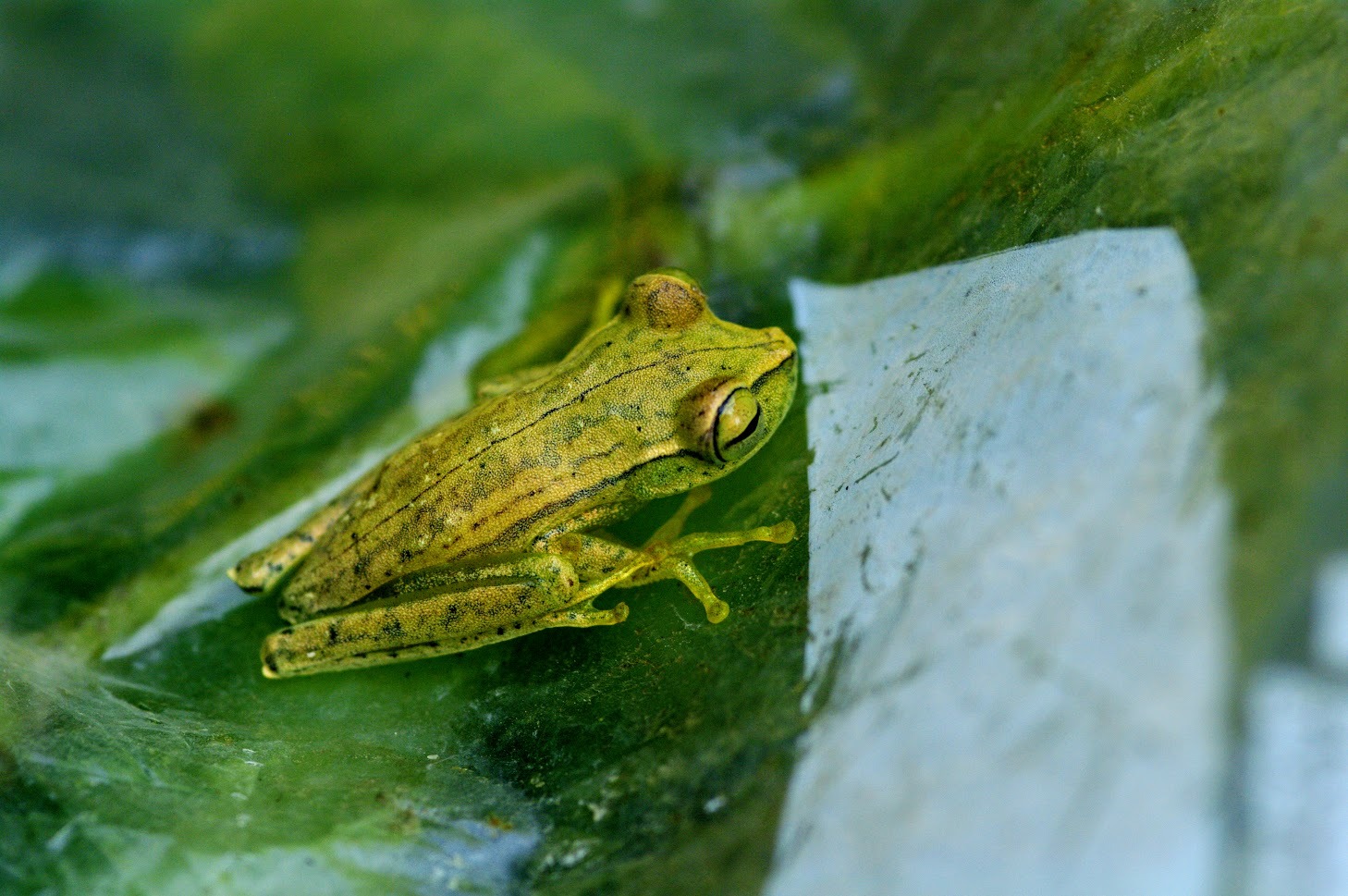
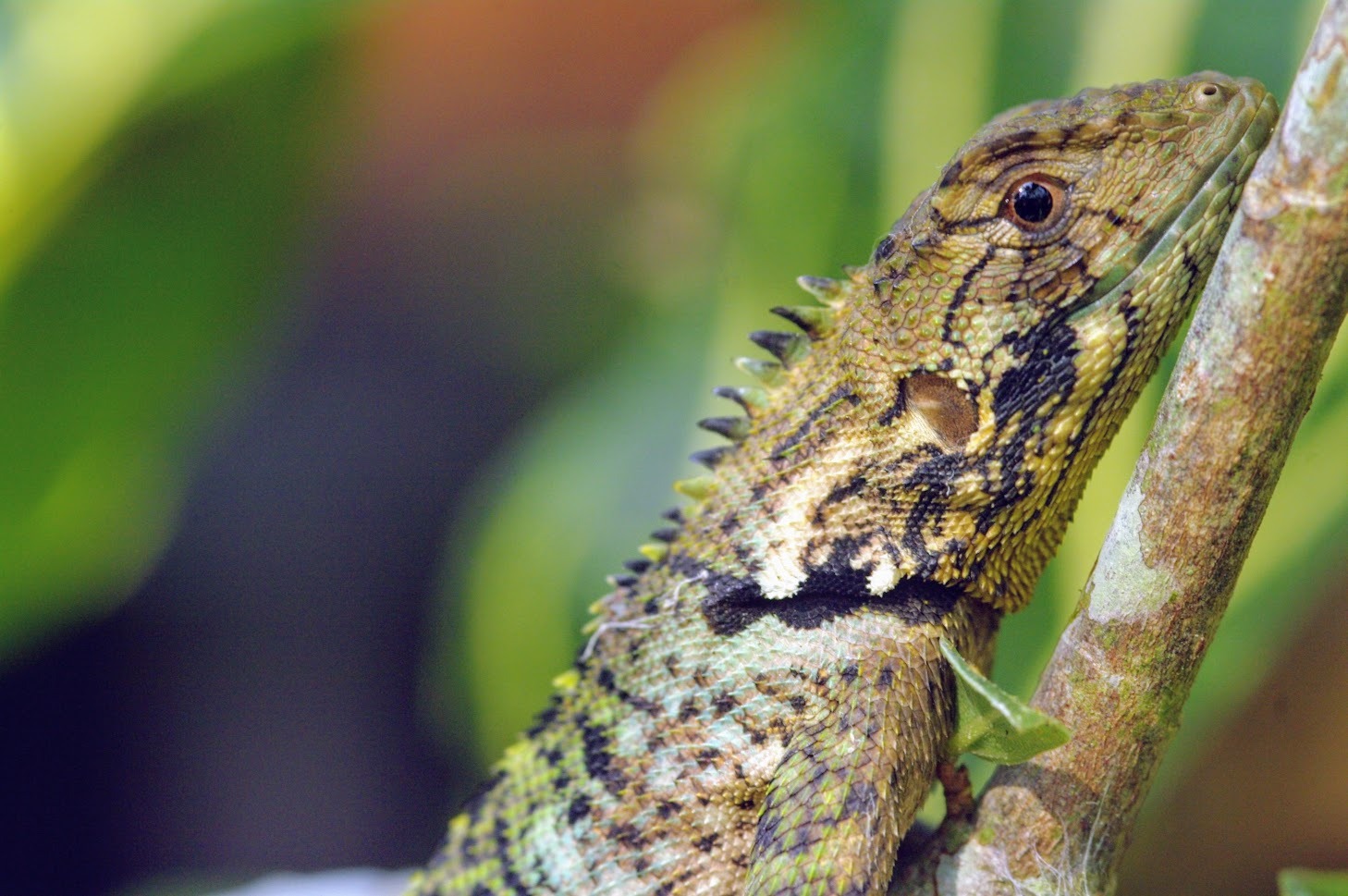
Did you know that Peru is one of the 17 mega-diverse countries on earth? The country holds more than 20,375 species of flora, 523 mammals, 1847 birds, 624 amphibians, 2145 species of fish, and 4000 species of butterflies. The vast majority can be experienced in the Amazon rainforest. This includes several primate species such as Howler monkeys, Capuchins and Spider monkeys, anteaters, tapir, giant river otters, peccary, macaws and the rare Harpy Eagle. Numerous snake and frog species, as well as cat species such as the jaguar, puma and ocelot
Madre de Dios region
Madre de Dios (Mother of God) is a region of southeastern Peru, whose name is derived from the Madre de Dios River, a tributary of the Amazon. It borders Brazil, Bolivia, as well as the Peruvian regions of Puno, Cusco and Ucayali, in the Amazon Basin. Its capital is the city of Puerto Maldonado.
The area is notable for many different reasons. It is dominated by lowland Amazonian rainforest which homes an incredible array of biodiversity and some of the largest tracts of primary forest. Many of these areas are protected by areas such as Manu National Park, Amarakaeri Communal Reserve, and Tambopata National Reserve. The area is also home to an unknown number of uncontacted indigenous communities. Due to the area’s large size, lack of infrastructure and low population density, rivers provide the best way of getting from one town to another.
The Amazon rainforest
Rainforests are incredibly important parts of our ecosystems. The Amazon is no exception. That is why the conservation work in the region is so necessary. The project is located within the Las Piedras corridor. The Las Piedras river – known as the ‘river of stone’ – runs through the reserve. It is the longest tributary of the Madre de Dios River.
Many threats continue to endanger the Peruvian rainforest and its wildlife. This includes timber extraction, gold mining and unsustainable farming practices. As well as oil and gas prospecting, land speculation, and poorly-regulated tourism development.
Weather
The dry season is from April to October. For the more tropical locations such as Puerto Maldonado and the Amazon rainforest, this comes with hot and humid temperatures usually reaching 30 degrees on average. It is a good time of year to visit the jungle. As it comes with fewer mosquitoes and lower rivers exposing the beaches. Thus it is easier to witness animals at close range and see various species nesting.
Did you know that during the dry season (June/July), you can experience the ‘El Friaje’ weather phenomenon even in the rainforest? Making the temperatures drop all the way to 10-15 degrees Celsius during the day. This is due to the cold fronts from the South Atlantic.
 From November to March is the rainy season. This means still hot and humid weather, but heavy rains at any time. This is in particular during December and January. These usually only last for a few hours at a time. However, it can cause roads and jungle trails to become flooded.
Best Time to Come
Animals in the forest are most active in the months of November through May, this is when most trees are fruiting and an abundance of species take the opportunity to gain fat reserves for the dry season.
However, in the dry season, more animals are visible on the river banks, either sunbathing or getting a drink. There are also fewer mosquitoes during the dry season, whereas in the wet season you will constantly need to apply repellent and will still hear the mosquitoes buzz all around you!
During the wet season, we also experience torrential rains that can last for several hours and that can limit the rangers from going on patrol, at least until the heavy rain stops.
 The months of May, June and July are the tourist high season in Puerto Maldonado. If you would prefer a quieter time you should come between October – March.
Where does your money go?
Ranger Programme Costs are largely centred around Ranger compensation (salary, food and board). Additional costs for the programme include trail maintenance, communication and reporting systems, boat transport, fuel and other minor expenses.