
Food, Lodging & Travel
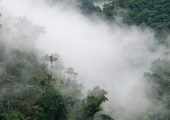
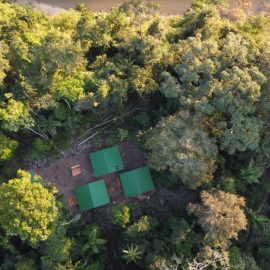
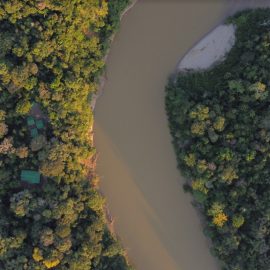
The ranger station is a basic, remote field site located along the Las Piedras River. It’s a 3-hour car ride from the nearest city, Puerto Maldonado, to the community of Lucerna, from which it is a 40-minute boat ride to the Ranger Station.
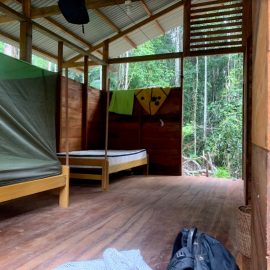
Volunteers sleep in shared bungalows with bunk beds, shelving and electrical plugs. The bungalows have calamine roofing, and half-walls to stimulate airflow. To protect yourself from mosquitoes the project provides volunteers with mosquito nettings for their beds.
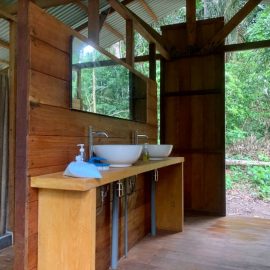
There is running water at the site, which means there are regular flushing toilets, sinks and showers. There is no hot water, but with the hot temperatures and high humidity, you will feel refreshed after your cold shower.
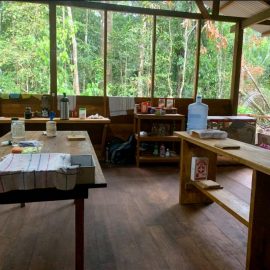
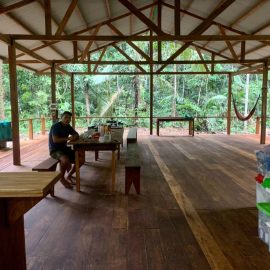
The kitchen is on the main platform, where you will gather for meals and hang out. There are hammocks and seating areas for you to enjoy your free time. There is also a small garden area and a greenhouse if you want to use your green fingers and help maintain and plant vegetables and seedlings of hardwood species.
How to get there
To get to the field site you will first have to travel to Puerto Maldonado. Puerto Maldonado (PEM) is reachable by flight (from Lima) or by bus (from Cusco, Juliaca, Arequipa or Iñapari).
A representative from the project will come pick you up either at the airport or bus station in Puerto Maldonado and will send you on your way to the Ranger Station (a car ride of approximately 2/3 hours followed by a boat drive of 40 minutes).
You should aim to try and arrive early on your arrival day so that one of the team is able to take you straight to the ranger station on the same day. Otherwise, you can stay overnight in Puerto Maldonado but this will be for you to arrange and at your own extra cost.
Volunteer Requirements
Applicants should be at least 18 years of age, be in good health and have a very good level of physical fitness. Many of the patrols require extensive walking where you might walk anywhere between 10 and 20km on a single day. Trekking and wilderness experience is an advantage, but not required.
The onsite rangers speak very limited English, so we recommend people pick up a little Spanish before joining our team. If you wanted to get some Spanish lessons before starting the project, please let us know and we can help you with some contacts.
 Free Time
Your free time will depend on the ranger’s scheduled activities. The onsite rangers work seven days a week, however, it’s up to you when you want to have a day off.
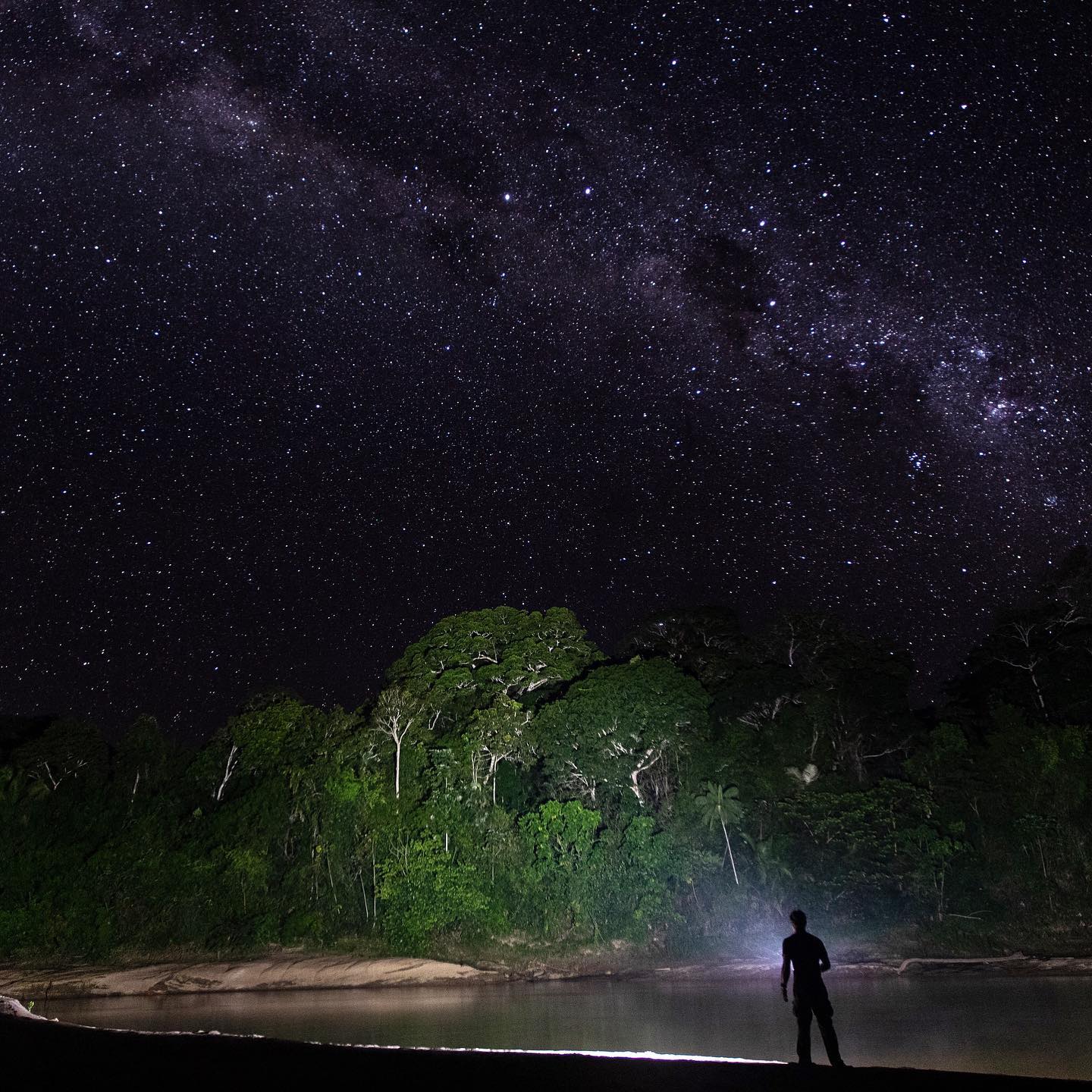
In your free time, you can practice Spanish (with the rangers and others at our station), play games, help in the kitchen, garden in the vegetable garden or the reforestation greenhouse, and potentially help with other ongoing projects. On some days there might be the opportunity to swim in the waterfalls, play volleyball/football, or fish.
Visa to Peru
Depending on your nationality, most volunteers and interns are able to arrive in Peru without a pre-arranged visa and can pick up a free tourist visa on arrival at the airport which is valid for up to 3 months (can be extended to 6 months for some nationalities).
You will need to state the number of days you are planning to stay in the country upon arrival at Customs at the Lima Airport. Anyone staying longer than the stated visa expiry date granted on arrival in Peru will accumulate a daily penalty fine – this is not recommended.
It is required that your passport is valid for a minimum of 6 months when entering Peru.
Health information
The area the project works in is within a low-risk malaria zone, and they have had no cases of malaria within their team. Rare cases of Leishmaniasis at the field site are known, as well as Dengue in Puerto Maldonado. Thus it is important for volunteers to bring long-sleeved clothes and insect spray to prevent insect bites.
It is required for all volunteers to bring their own water containers to take on the trails due to the high humidity and heat.
Both COVID-19 vaccinations and the Yellow Fever are required when entering Peru, and Typhoid vaccination is recommended.
However, it is best to consult your own travel doctor to find out about any currently required and recommended vaccinations. International travel and health insurance is mandatory to join the Ranger Volunteer Programme.