
Food, Lodging & Travel
Palo Seco
The camp is in Palo Seco, 7.9 km from Parrita. It consists of two houses, one for women and one for men, with shared rooms and bathrooms. The camp has several common areas, including a pool in one house, trails, a large outdoor area for yoga and meditation, and a laundry area. There is electricity and drinking water. There is a telephone signal, so we recommend bringing a SIM card (Kolbi is the better option or getting an E-Sim) to obtain data from the internet. Wifi is limited.
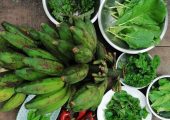
Breakfast, lunch, and dinner are all served. Volunteers have to help with the meal preparation. A rotation system is in place so that all volunteers have the opportunity to participate in field tasks, such as preparing patrol teams, in addition to the tasks of the camp (cooking, cleaning common areas). During the day, there is plenty of free time, but there are also plenty of opportunities to contribute to the maintenance, organisation, and development of the field station.
There is a small town nearby with only one very basic grocery store (local shop), but it is home to a number of remote hostels and hotels. While the town of Jacó has the largest population in the area with the highest services, supermarkets, shops, restaurants and sodas and hostels and hotels.
Working Conditions & Requirements
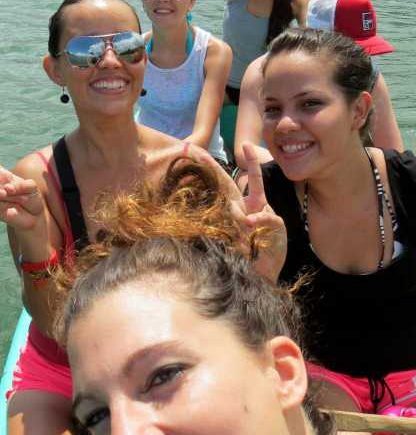
All volunteers should be at least 18 yrs old age. English is required and Spanish is very helpful, even if basic, but a small amount of Spanish would go a long way. A strong interest in conservation is required, as is good team spirit and flexibility. You should also be in good health and fit – you need to be able to work 2-3 nights per week (rest the next day) and walk several kilometres on soft sand. The work at the project can be extremely tough and is not necessarily for everybody. Weather conditions can be extreme, especially since the nesting season coincides with the rainy season, with heavy rainfall and localised flooding – often a daily occurrence (rainy season = turtle season!).
The majority of the work is nocturnal and it will be necessary to adjust to sleeping in the daytime, often enduring high temperatures and humidity. It can be very difficult to plan activities too, as priorities can suddenly shift according to what resources are available at the time, and volunteers will often find that the work plan changes with very little notice. The way of life is rustic, but the environment is full of jaw-dropping natural beauty and extraordinary biodiversity. After a little time at the project, you will no doubt find yourself adjusting to the life of a local.
Typically, each volunteer will be allocated around five-six work shifts per week, the workload will equate to around 4-6 hours of work per day, six days per week. There is, of course, always more work available, so if you are ever bored, just ask a Coordinator or Research Assistant how you can help.
How to get there?
Multiple airlines fly to San José, Costa Rica, via the United States, including United, American Airlines and Delta. From Europe, KLM, Iberia and Condor all fly to San José either directly or with a short stopover in the Dominican Republic. Please remember not to look for San Jose in California, it is San José International Airport (Juan Santamaria) – code SJO.
Arrival information for Palo Seco – We recommend that volunteers take a bus from San José to Parrita, or a taxi colectivo from there to Palo Seco – we will provide details once your place is confirmed.
Please email Victoria.McNeil@workingabroad.com for more specifics.