
 Useful Information about Iceland
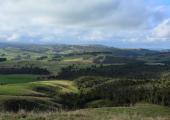
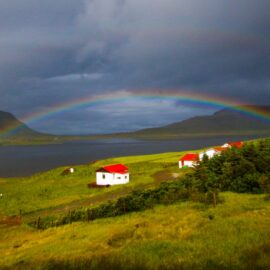
Iceland is a country filled with legend, sagas, rich history and folkore, and its wild landscape contains mist-filled volcanoes, glaciers, geysers, hot springs, dramatic valleys and waterfalls everywhere you look. The first impression when you come to Iceland is that you are stepping into an unknown landscape, not unlike that of the Moon! The winters provide a spectacle of the Aurora Borealis and in the summers, the sun never goes down and shines at midnight.
More about invasive species in Iceland
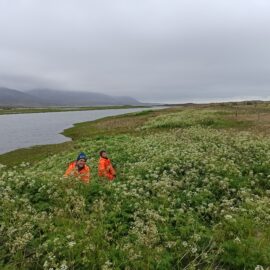
Efforts are being made to control its spread in national parks and nature conservation areas. Eradicating the plant is not possible anymore but controlling it and avoiding its spreading in very fragile areas is the key to preserve native plants as well as Icelandic landscapes. Many management plans have added this action to preserve the protected areas. Alien invasives species in Iceland are the Alaskan Lupine (Lupinus nootkatensis), Garden Angelica (Angelica archangelica) and Cow Parsley (Anthriscus sylvestris).
Alongside the actual plant removal itself, our teams may collect data to help monitor the extent of the problem and the success of the removal operations.
 Examples of negative effects
- Invasive plant species take over areas and destroy existing and native vegetation. Other plant species decline and may disappear completely.
- The spread of invasive plant species can lead to significant changes in wildlife, both small animals and birds.
- Invasive plant species can inhibit outdoor activities as they can grow over paths and obscure the landscape.
- Invasive plant species grow densely in large areas and form dense stands that accumulate. This can create a significant fire hazard.
Biodiversity
Maintaining biodiversity is an important part of maintaining our quality of life on Earth. The resources and natural processes that are essential to our survival depend on the presence of biodiversity. Eradicating invasive species is not about stopping change or conservation, it is about the quality of life and our future on Earth. States parties to the United Nations Convention on Biological Diversity must prevent the introduction of unwanted alien species that may threaten native ecosystems, habitats or species, and must also control or eradicate their spread.