




Food, Lodging & Travel
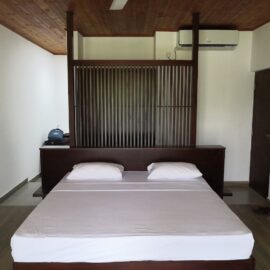
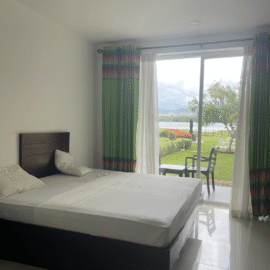
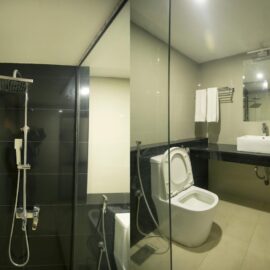
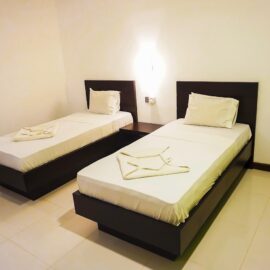
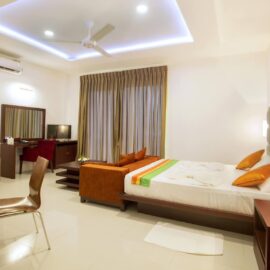
The accommodation for families will be in a hotel in a family room or in triple or double occupancy air-conditioned rooms with ensuite bathrooms. The hotel is a 5 mins drive to the Field House.
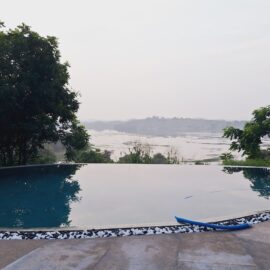
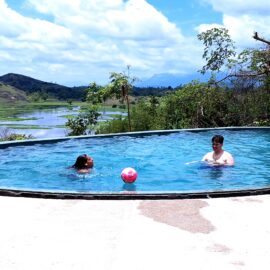
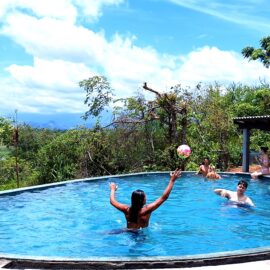
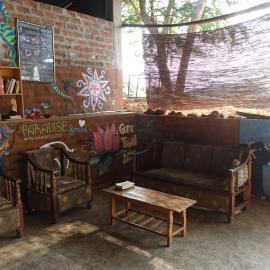
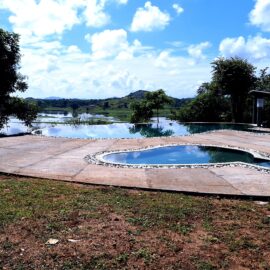
Families with the spirit of adventure can also opt to stay at the Field House where facilities are basic but spacious. There is an infinity swimming pool at the Field House to cool off during the evenings after field work or back at the hotel there is also a pool.
At the Field House family members will stay in gender based shared rooms (8-12 people per room) with bunk beds sectioned off for privacy. There are several modern bathrooms that have flush toilets, sinks and cold/hot water showers. Electric fans, mosquito nets, pillows and clean bedsheets are provided.
The design of the house is ideal for the climate and terrain it is situated in. It is very open to the outdoors, which helps to keep the house relatively cool during the hot days/nights and dry during the rainy season. Volunteers are expected to help with general base duties, including cleaning and other chores. Laundry is done by hand.
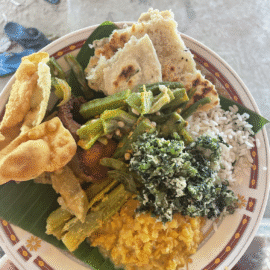
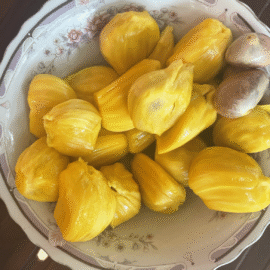
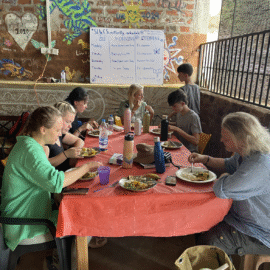
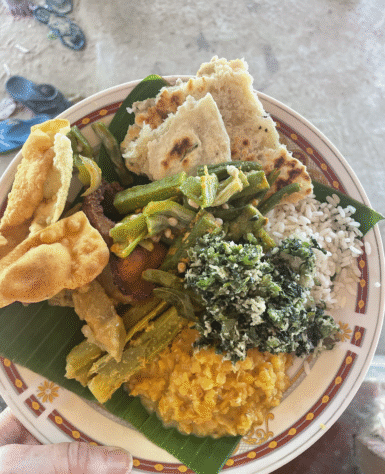 Fresh meals are prepared for volunteers every day at the Field House in the local style with western embellishments. Vegetarian and Vegan meals can be provided. Safe drinking water is always available.
For families staying at the hotel, breakfast is provided there at an extra cost, or you can have breakfast at the Field House before heading out, along with the other meals at the Field House.
Families are based in the village of Pussellayaya (in the Matale District) and will be working in the countryside and communities located adjacent to the Wasgamuwa National Park. There is good mobile cell phone coverage, and families are advised to purchase SIM cards from local service providers with data for internet access. Facilities to charge electronic equipment are available throughout the house.
Visa for Sri Lanka
Families should apply for a tourist visa before travelling to Sri Lanka. This allows families to stay in the country for 30 days and can be done easily for most nationalities online here. The visa can be extended once in Sri Lanka for those wanting to volunteer longer, however, this would need to be done at the office in Colombo and at own costs. The passport should be valid for at least 6 months after the planned departure date.
Travel Information
Families need to travel to the city Colombo, usually you will fly into Colombo Bandaranaike International Airport (CMB). If your flight arrives in the afternoon/evening, we would advise that you book and stay in the Heritage Ambepussa Hotel in Colombo for one night (cost is £40 / 50 USD a night per person) before being transferred to the project site on the Monday morning. Or if you arrive early on Monday morning, we can collect you directly and transfer you and your family to the Project site.
Weather in Sri Lanka
Sri Lanka is a tropical island that enjoys sunshine and warm tempe
ratures for most of the year. However, due to the influence of two monsoons affecting different parts of the island, the weather can be unpredictable. For example, you might wake up to clear skies during the rainy season or encounter a sudden storm in the dry season. With careful planning, you can maximize your chances of experiencing good weather. The best time to visit Sri Lanka depends on the regions you wish to explore and the activities you want to do. Here’s a summary of the weather throughout the year:
January – March
This is an excellent time to travel across the country, with generally dry and sunny weather. Temperatures are pleasant, though slightly cooler in the central highlands. The beaches along the south and west coasts are warm, dry, and sunny.
April
The weather is usually hot and dry, especially in the central region and the Cultural Triangle, where temperatures can reach at least 35°C. It’s a great month for beach holidays, with clear skies and sunny days. It’s best to avoid sightseeing during the hottest hours of the day (11 AM – 3 PM).
May – June
The southwest monsoon affects the southwestern regions, including Colombo and Galle. However, this monsoon is relatively mild, bringing short and intense bursts of rain that clear up quickly.
July – September
Known as the “inter-monsoon” season, the weather is generally good, with temperatures around 29°C and dry, warm beaches. This is a great time for families looking for a tropical summer holiday.
October – November
The northeast monsoon is more intense and can affect the entire country. This monsoon is unpredictable—it may be stronger, lighter, or more sporadic than in previous years, and sometimes it may not arrive at all.
December
Generally, the weather is warm and dry across the island, making it a great option for a Christmas or winter vacation. In recent years, monsoon rains have extended into December, but they usually subside by the end of the month.
Summary
- The best times to visit Sri Lanka are January – April and mid-July – September for the whole country.
- For the north and east, the best period is February – September.
- The southwest monsoon occurs from May – July, while the northeast monsoon lasts from October – January.
- For beach holidays, visit the south coast from January – April, the east coast from May – September, and the south again from mid-July – September.